
A Beginner's Guide to the Elements of Art
What Are the 7 Basic Elements of Art?
The 7 basic elements of art are line, shape, form, space, texture, value, and color. These components act as the visual building blocks for any artwork. By mastering these elements of art, beginners can elevate their technical skills and better understand how to construct strong designs.
Line: The Most Fundamental Element of Art
A line is a mark made on a surface that connects two points. It is the starting point for almost all artistic expression. By adjusting the weight, direction, and length of a line, artists can guide the viewer’s eye. Using lines effectively is your first step in mastering the elements of art.


Straight and vertical lines suggest stability and strength.
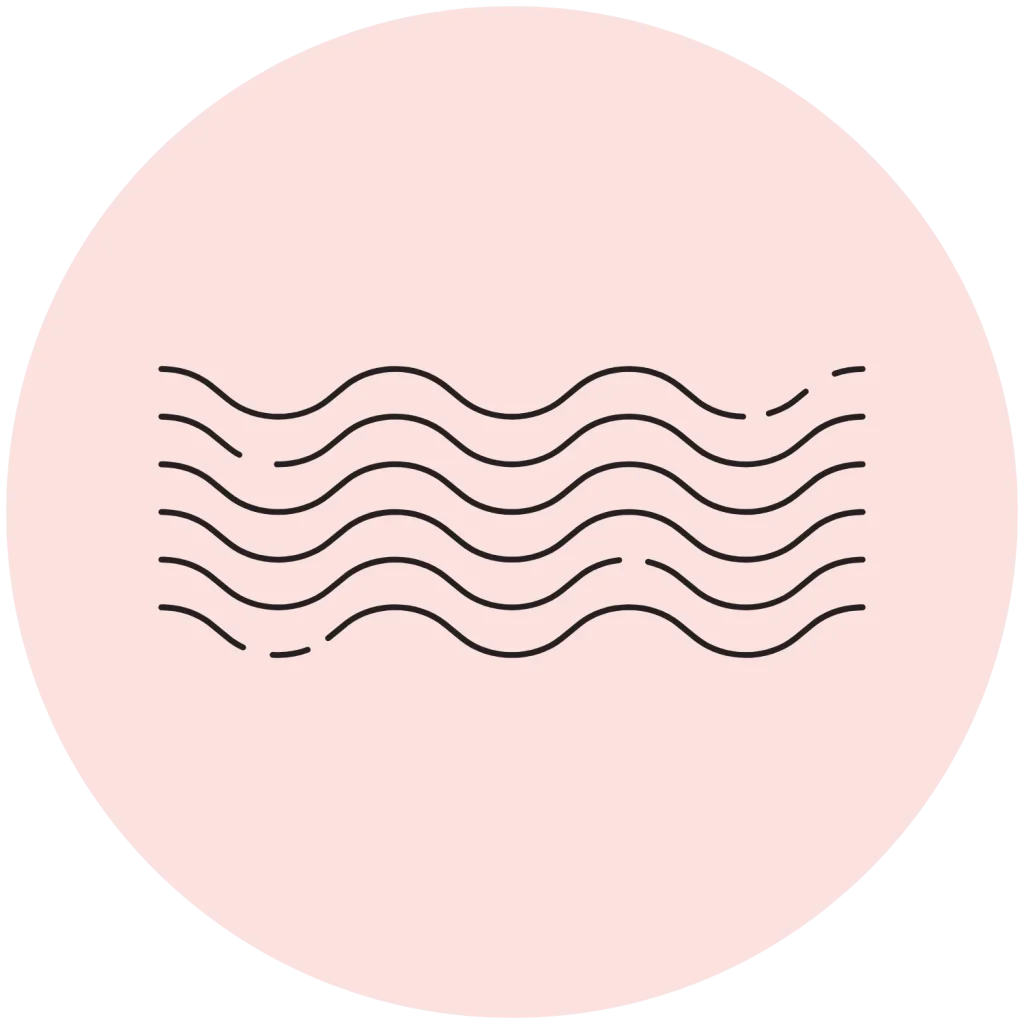
Curved lines introduce a sense of movement and fluidity.

Thick lines grab immediate attention and create strong emphasis.

Thin lines are ideal for delicate details and subtle shading.
Shape: The Two-Dimensional Element of Art
When a line connects back to itself, it forms a shape. Shapes are strictly two-dimensional, possessing only height and width. They help define the subject of your artwork and organize the overall layout. Understanding how to use shapes is crucial for grasping the elements of art.


Geometric shapes include forms like circles, squares, and triangles.

Organic shapes are free-flowing and often found in nature.

Positive shapes represent the main subject of the artwork.

Negative shapes represent the back areas surrounding the subject.
Form: Giving Depth to the Elements of Art
Form takes two-dimensional shapes and gives them the illusion of three-dimensional volume. A form has height, width, and depth. Artists create form on a flat surface using lighting, shading, and perspective. This is one of the elements of art that brings your work to life and makes it look realistic.
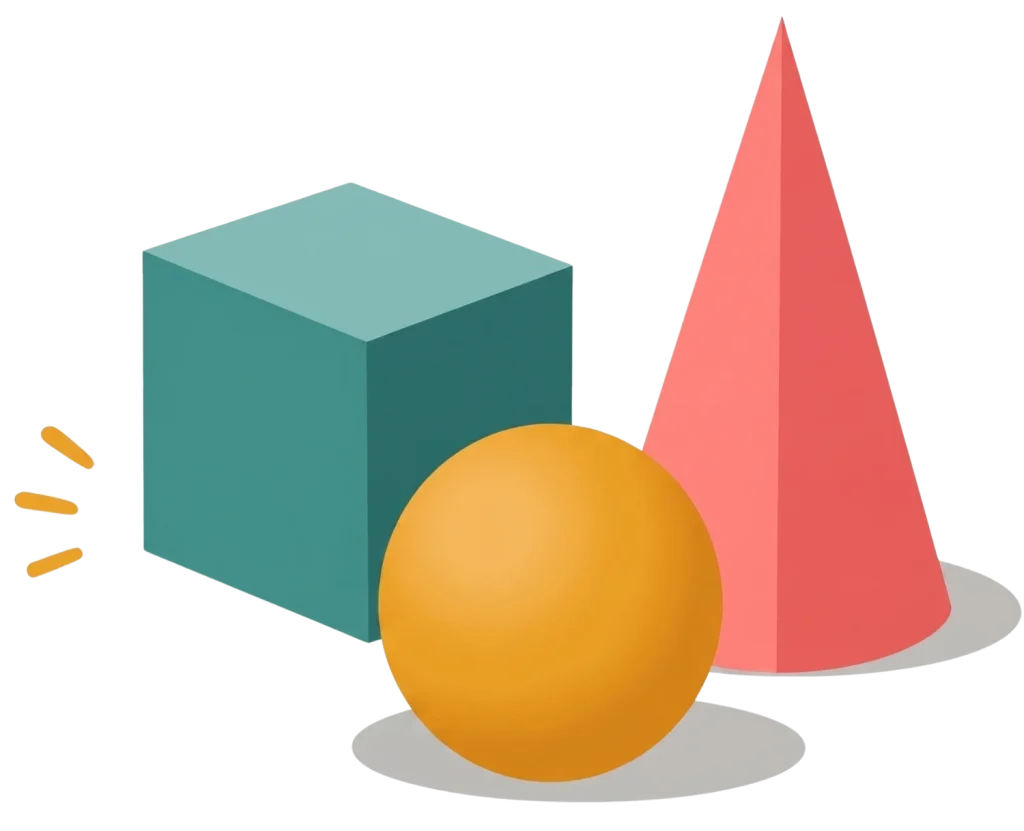

Spheres and cubes are basic examples of geometric forms.

Sculptures are actual physical forms you can view from multiple angles.

Highlights show where the light directly hits the object.

Cast shadows anchor the object to the ground to add realism.
Space: The Element of Art That Creates Distance
Space refers to the area around, between, or within objects in a piece. Controlling space is how artists create the illusion of depth on a flat canvas. It is one of the most vital elements of art for making a scene feel intentional and properly scaled.

Positive space is the area occupied by your primary subjects.
Negative space gives the subject room to breathe and avoids clutter.
Overlapping objects tricks the eye into seeing distance.
Objects drawn smaller appear further away in the background.
Texture: The Tactile Element of Art
Texture defines the surface quality of an artwork. It dictates how an object looks like it would feel if you could actually touch it. Texture adds visual interest, making it a highly engaging element of art to explore in your projects.
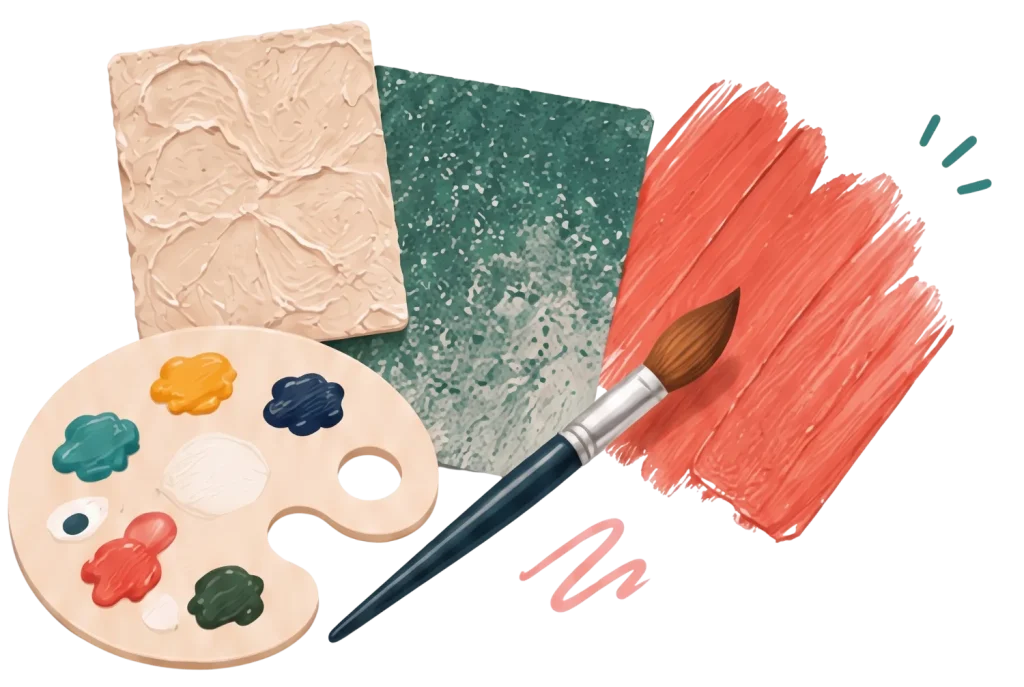

Actual texture involves physical paint buildup or materials you can feel.

Implied texture is an illusion created by detailed drawing techniques.

Rough textures are drawn using jagged, harsh brush strokes.

Smooth textures are created through seamless, blended gradients.
Value: The Element of Art for Light and Dark
Value measures the lightness or darkness of a color or tone. It is the core tool artists use to turn flat shapes into realistic, three-dimensional forms. Mastering value is often more critical than mastering color when studying the elements of art.
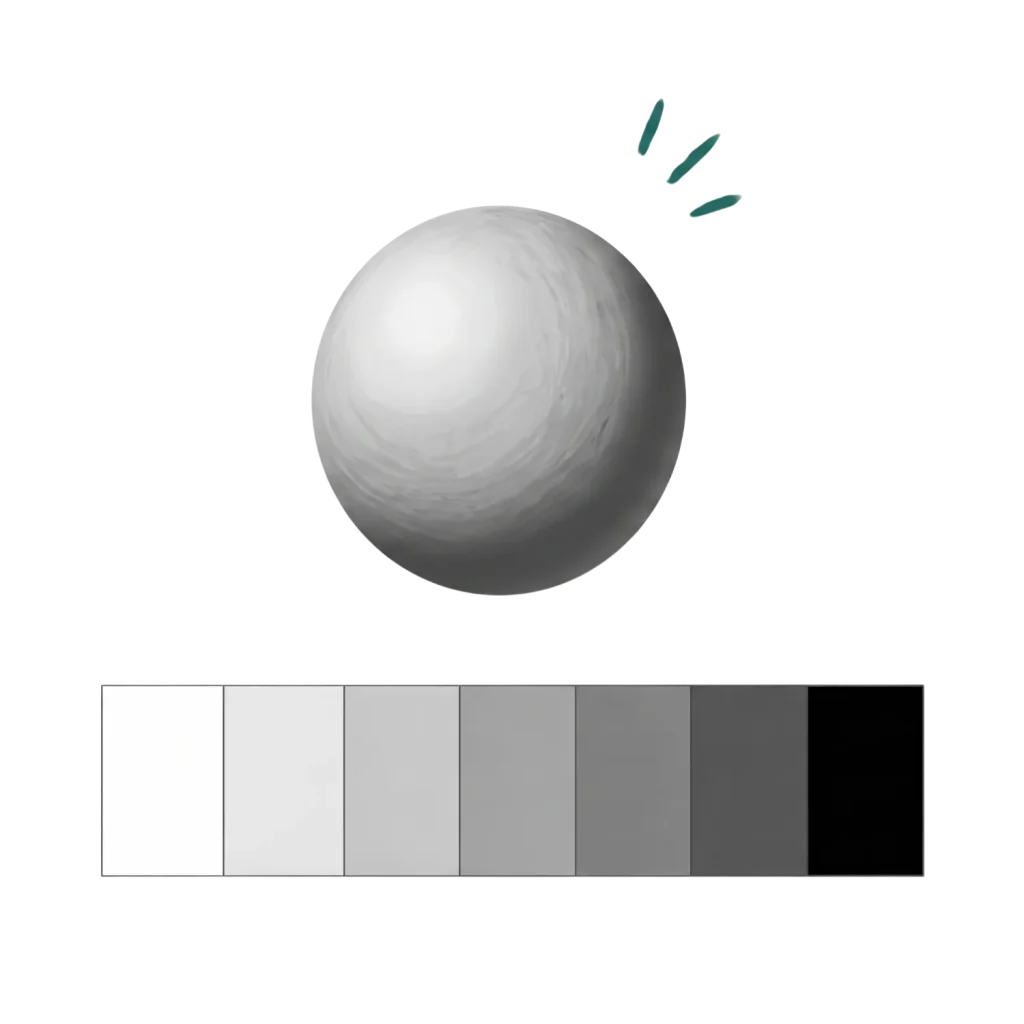
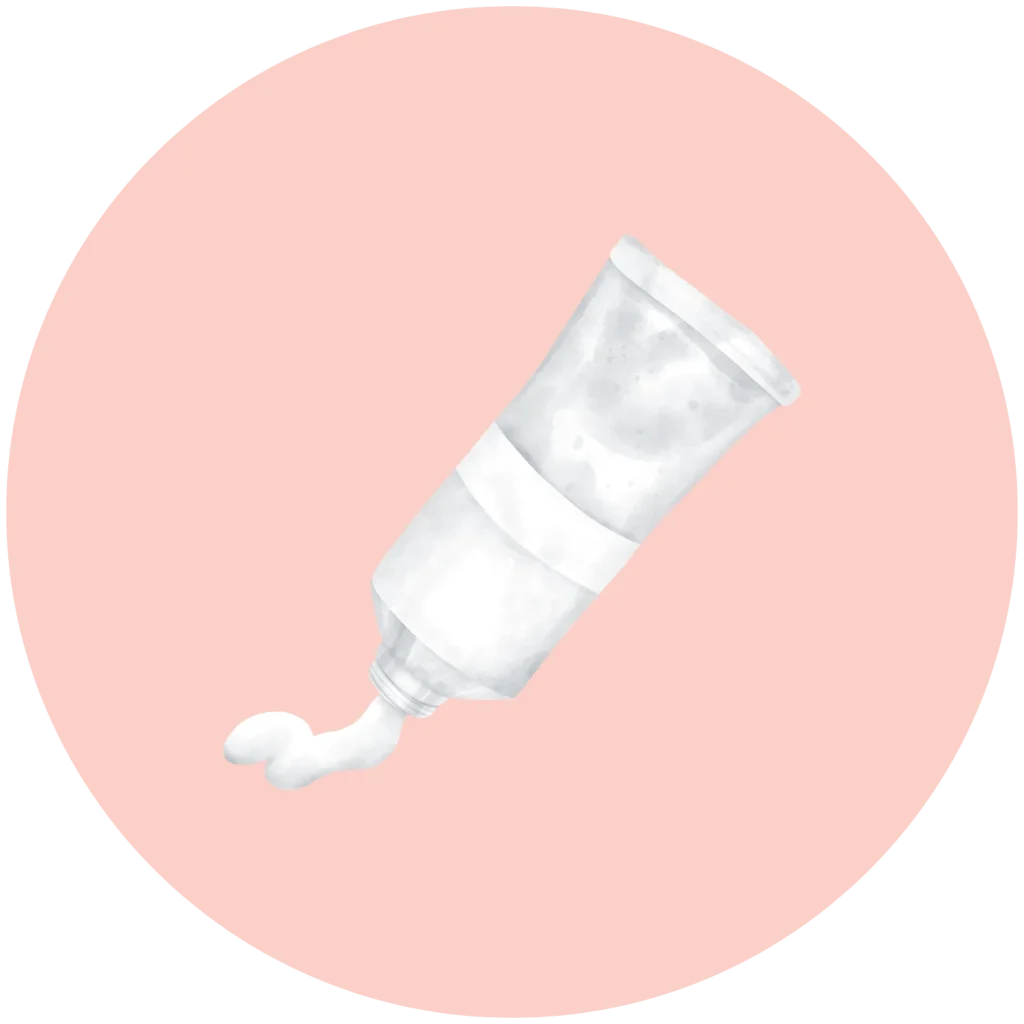
Tints are created by adding white to lighten a color.
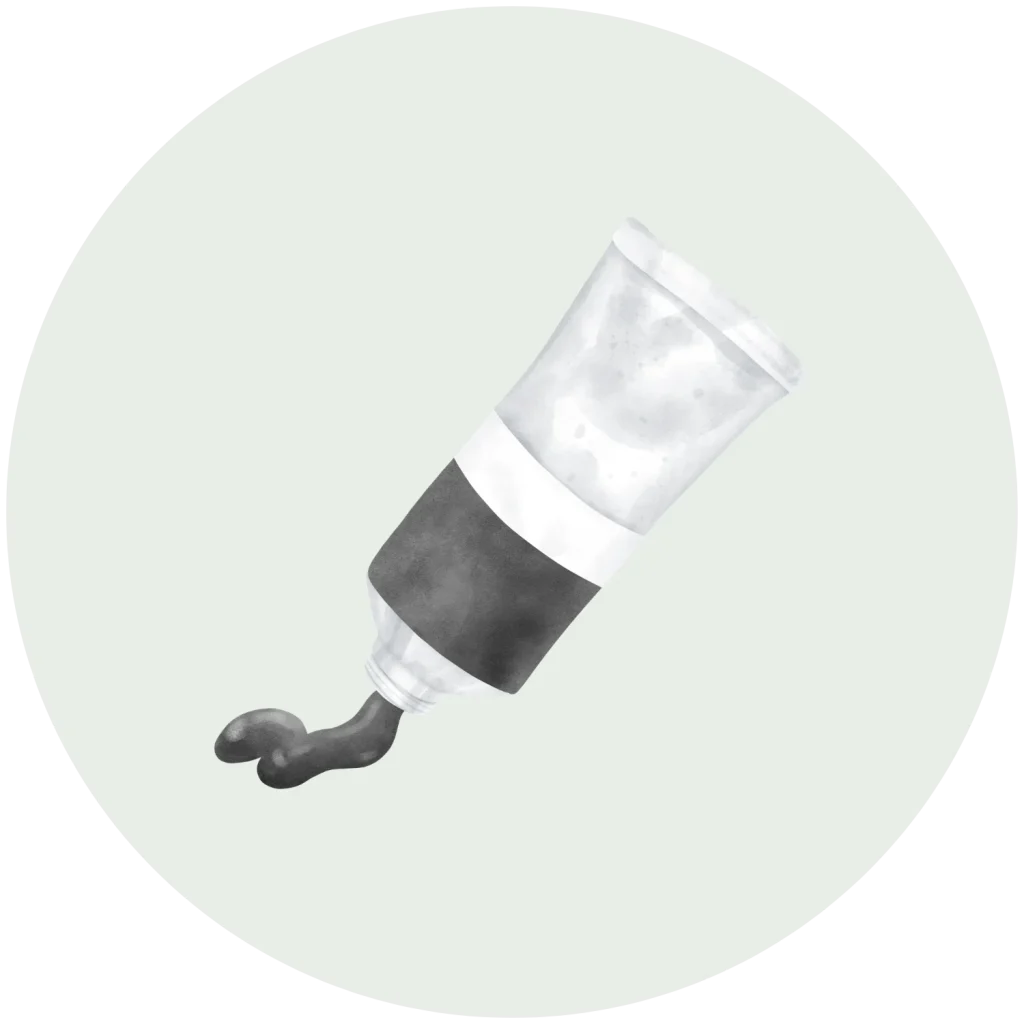
Shades are produced by adding black to darken a color.
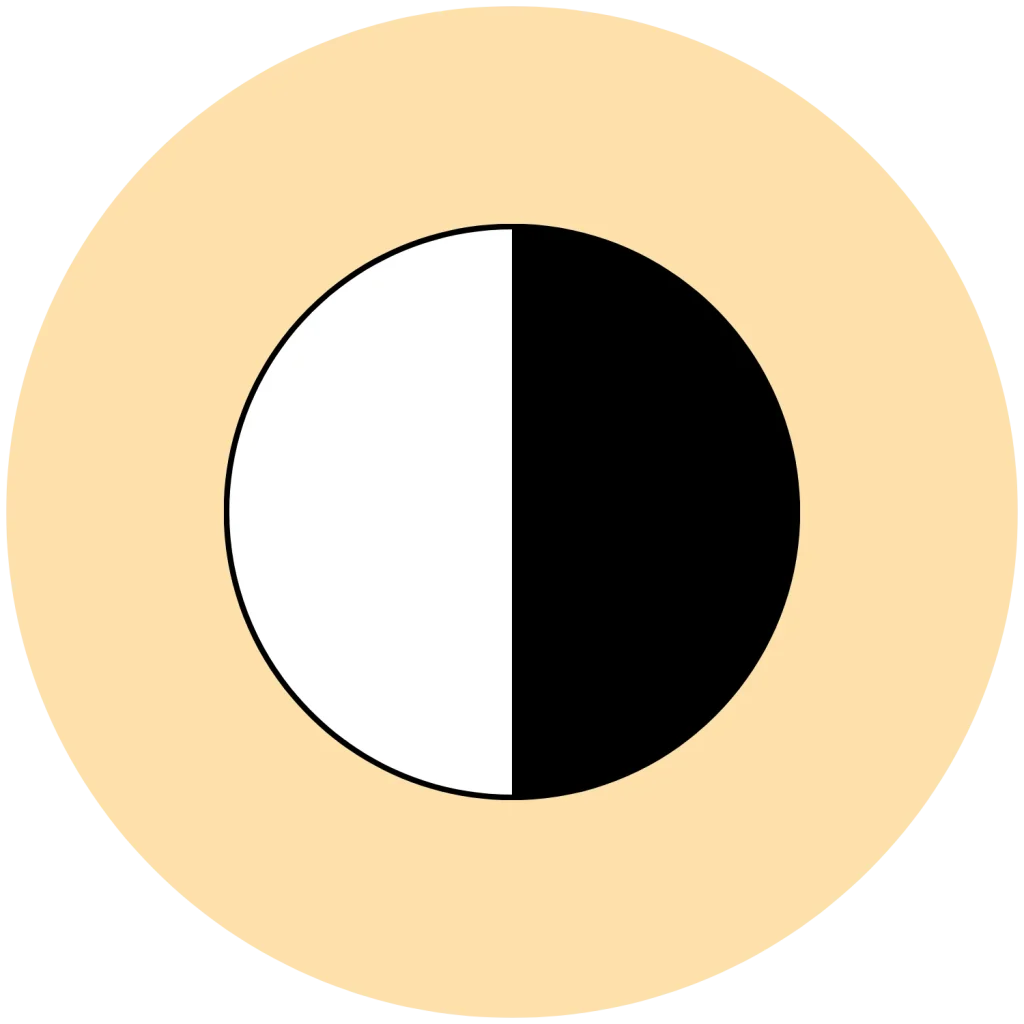
High-contrast values create drama and intense focal points.

Low-contrast values provide a softer, more atmospheric look.
Color: The Most Expressive Element of Art
Color is produced when light strikes an object and reflects back to the eye. It carries strong emotional and psychological weight. Learning basic color theory is essential to applying the elements of art effectively.

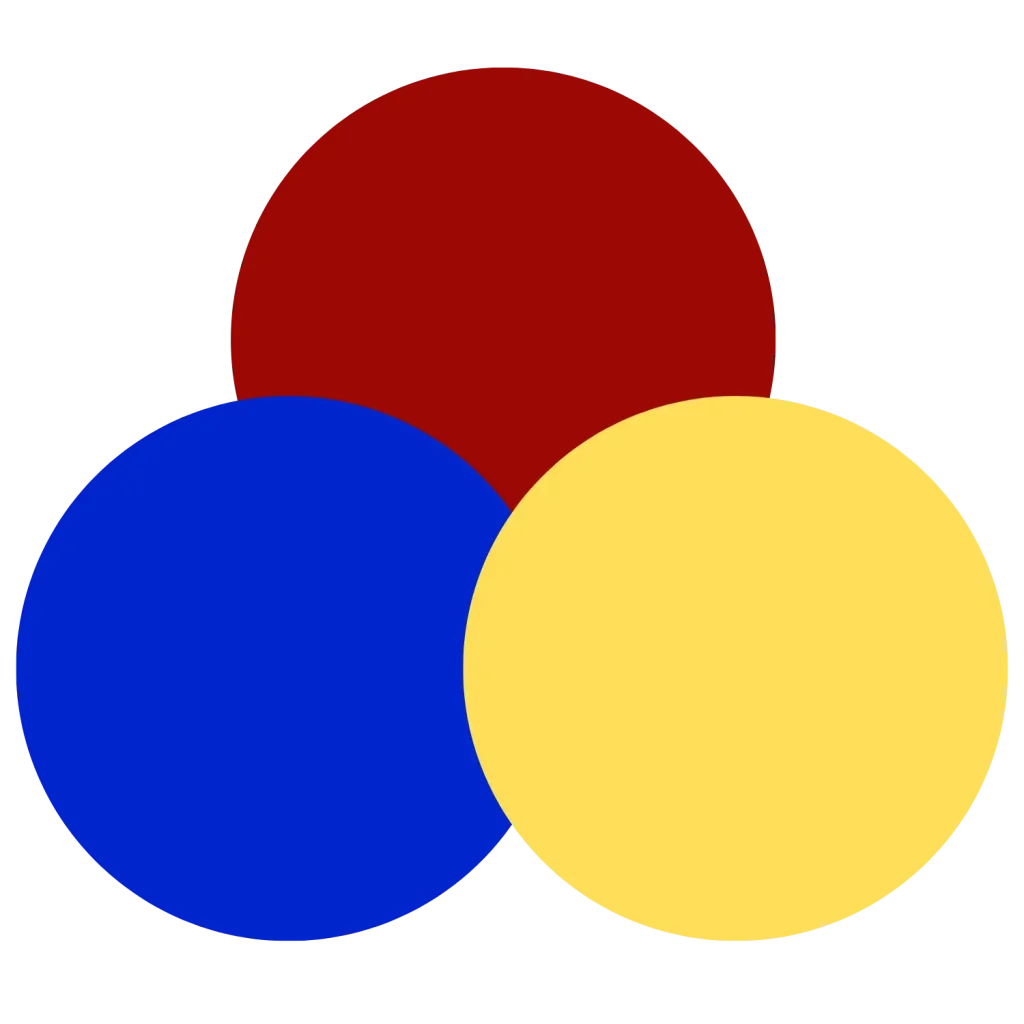
Primary colors are red, blue, and yellow.
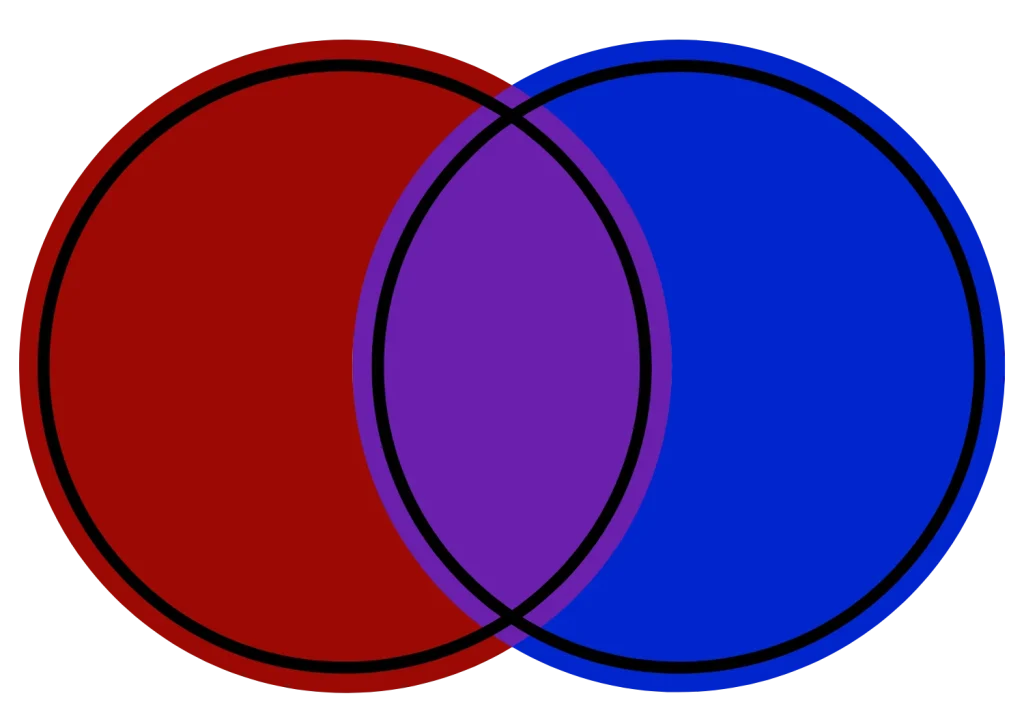
Secondary colors are formed by mixing two primary colors together.

Warm colors advance toward the viewer and convey energy.

Cool colors recede into the background and evoke calmness.
Start Your Art Journey
Ready to put the elements of art into practice? You can learn hands-on techniques from experienced instructors and build your skills step by step. Start your art journey with us today and create your best work yet.
List your own art class or start learning how to paint, whichever fits where you are right now. This is the place to begin, grow your skills, and turn your passion into something more.