
What Tools for Beginner Artists Do You Need?
7 Essential Tools for Beginner Artists
You only need a few essential tools for beginner artists to start your creative journey. Beginning with a minimalist toolkit allows you to focus entirely on building your skills without feeling overwhelmed by expensive gear. Investing in high-quality tools for beginner artists gives you the best foundation for learning on PassionClass.
1 | Drawing Pencils
Graphite pencils are the most fundamental tools for beginner artists when learning line work, values, and shading. Pencils come in different hardness levels, indicated by letters like H and B, which dictate how dark or soft the lead will be on paper.
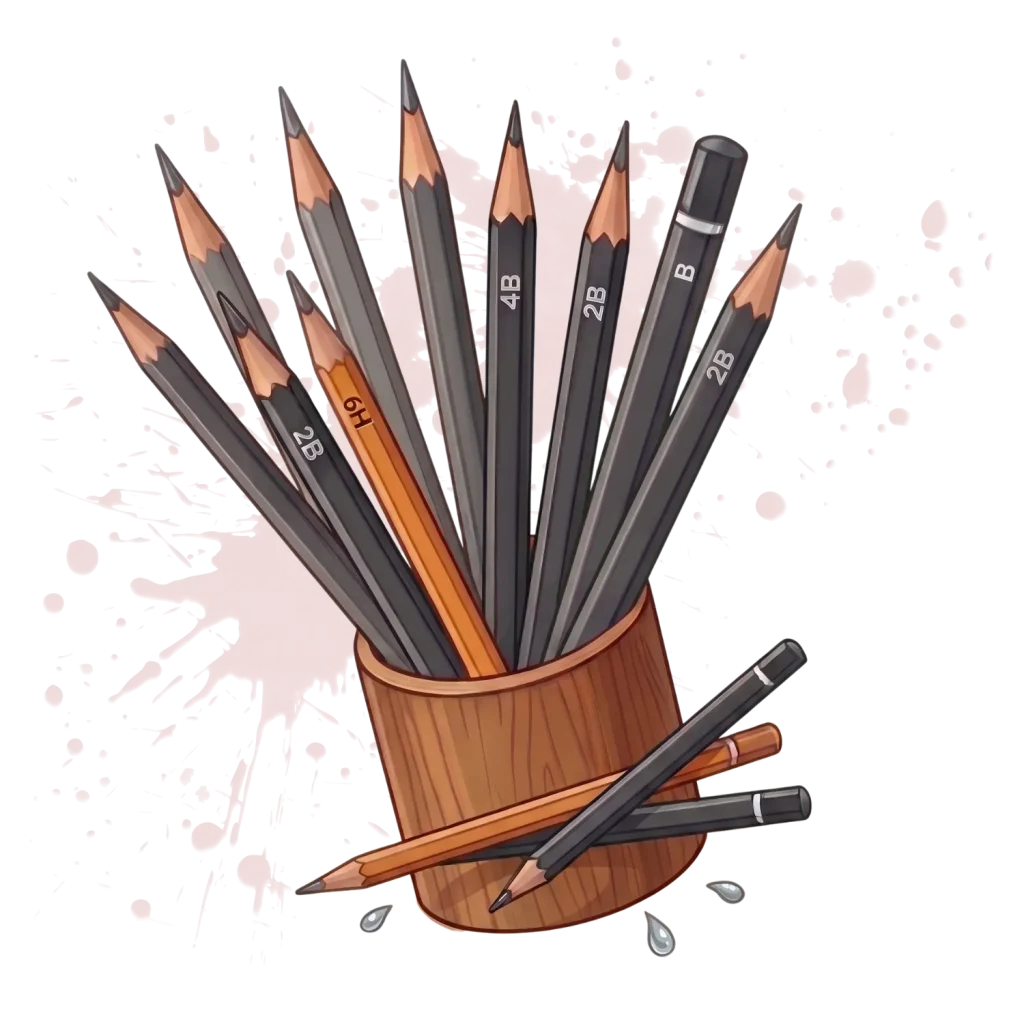

Pick HB pencils for your initial light sketches and 2B or 4B pencils for creating soft, dark shadows.
Look for pencils with sturdy wooden casings so the core does not break inside when sharpened.
Watch out for cheap multipacks containing extreme H or B grades that you will rarely use as a beginner.
Avoid overly hard leads that scratch into the paper surface instead of leaving smooth graphite marks.
2 | Quality Sketchbook
A sketchbook is one of the core tools for beginner artists because it provides a private space to practice daily, experiment with ideas, and track your growth over time.

Pick a medium size like A5 or 8×10 inches that is easy to pack into a bag and carry anywhere.
Look for acid-free paper to prevent your drawings from turning yellow or fading over time.
Choose paper with a weight of at least 110 gsm for drawing and 200 gsm or higher if you plan to use watercolors.
Watch out for thin newsprint or cheap printer paper that easily tears, warps, or bleeds through.
3 | Dedicated Erasers
Erasers are not just for correcting mistakes; they are active tools for beginner artists used to lift graphite, create highlights, and clean up finished drawings.

Pick a kneaded eraser for lifting soft graphite and molding custom points to erase tiny details.
Look for a plastic or vinyl eraser to clean away dark, stubborn lines without smudging the paper.
Watch out for hard, cheap pink rubber erasers that tear the paper surface or leave colored streaks.
Avoid using dirty erasers on light areas of your drawing before rubbing them clean on scrap paper first.
4 | Pencil Sharpener and Ruler
Utility items like sharpeners and rulers are practical tools for beginner artists that keep your drawings neat and your pencil tips ready for precise detail work.
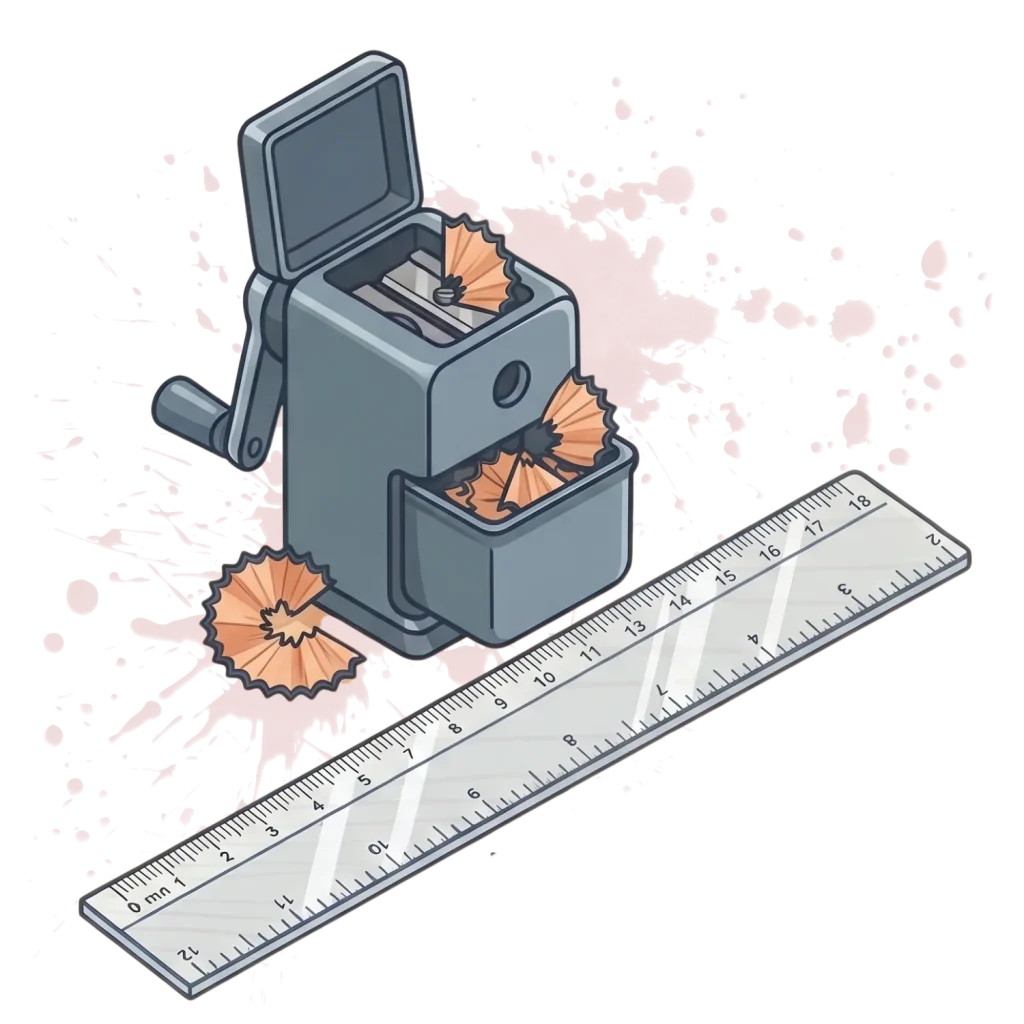

Pick a sharpener with a built-in container to catch shavings and keep your desk clean.
Look for sharpeners with high-grade steel blades to prevent chipping or snapping delicate pencil lead.
Choose a clear plastic ruler so you can see your drawing underneath when setting up perspective grids.
Watch out for dull sharpener blades that tear the wood casing instead of shaving it smoothly.
5 | Waterproof Fineliner Pens
Fineliner pens are versatile tools for beginner artists who want to transition from rough pencil sketches to clean, permanent ink outlines and illustrations.
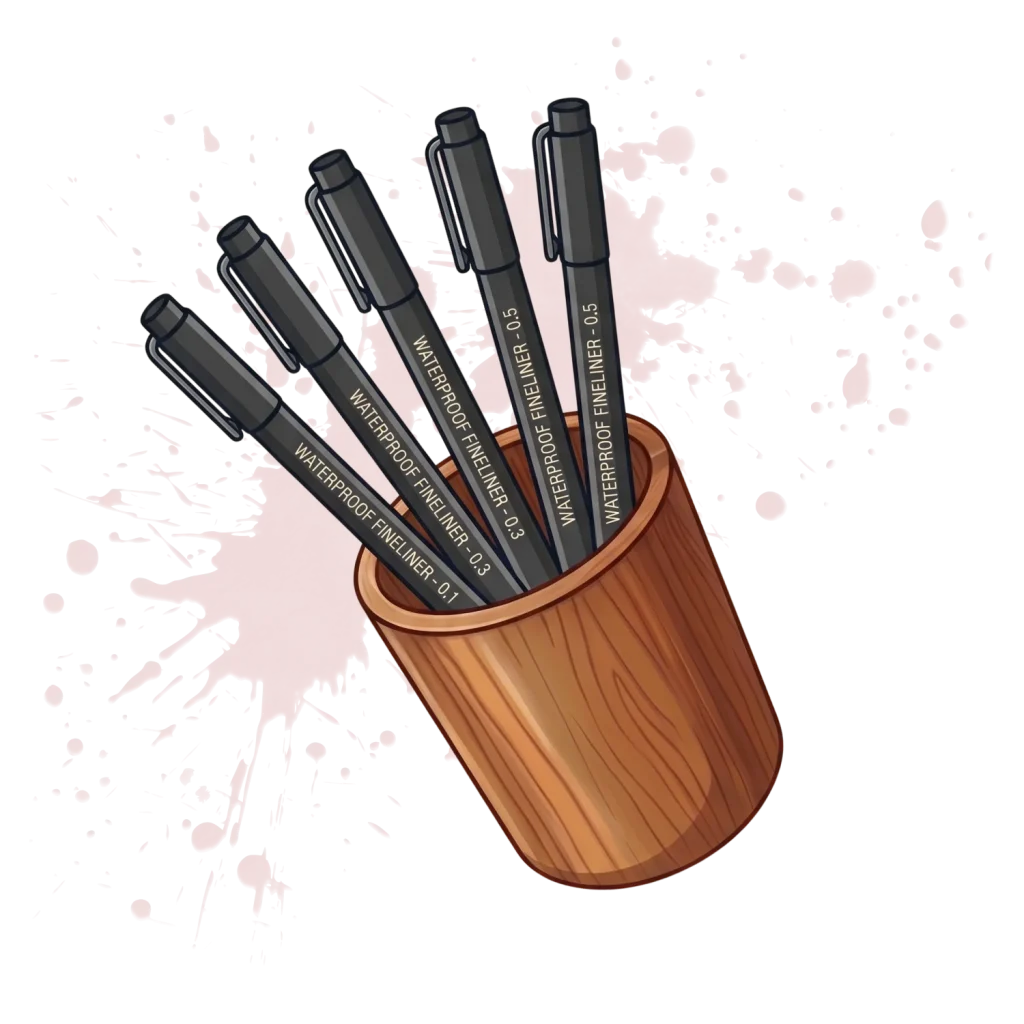

Pick waterproof pigment ink so your linework will not smear if you layer watercolors or markers over it later.
Choose a balanced tip size like 0.3mm or 0.5mm for general sketching and outline work.
Look for durable metal-clad nibs that maintain their shape under light hand pressure.
Avoid pressing down heavily while drawing, which can bend the fine nib and ruin ink flow.
6 | Student-Grade Paints
If you want to introduce color, water-based paints like watercolors or acrylics are accessible tools for beginner artists that are easy to manage and clean up in any workspace.
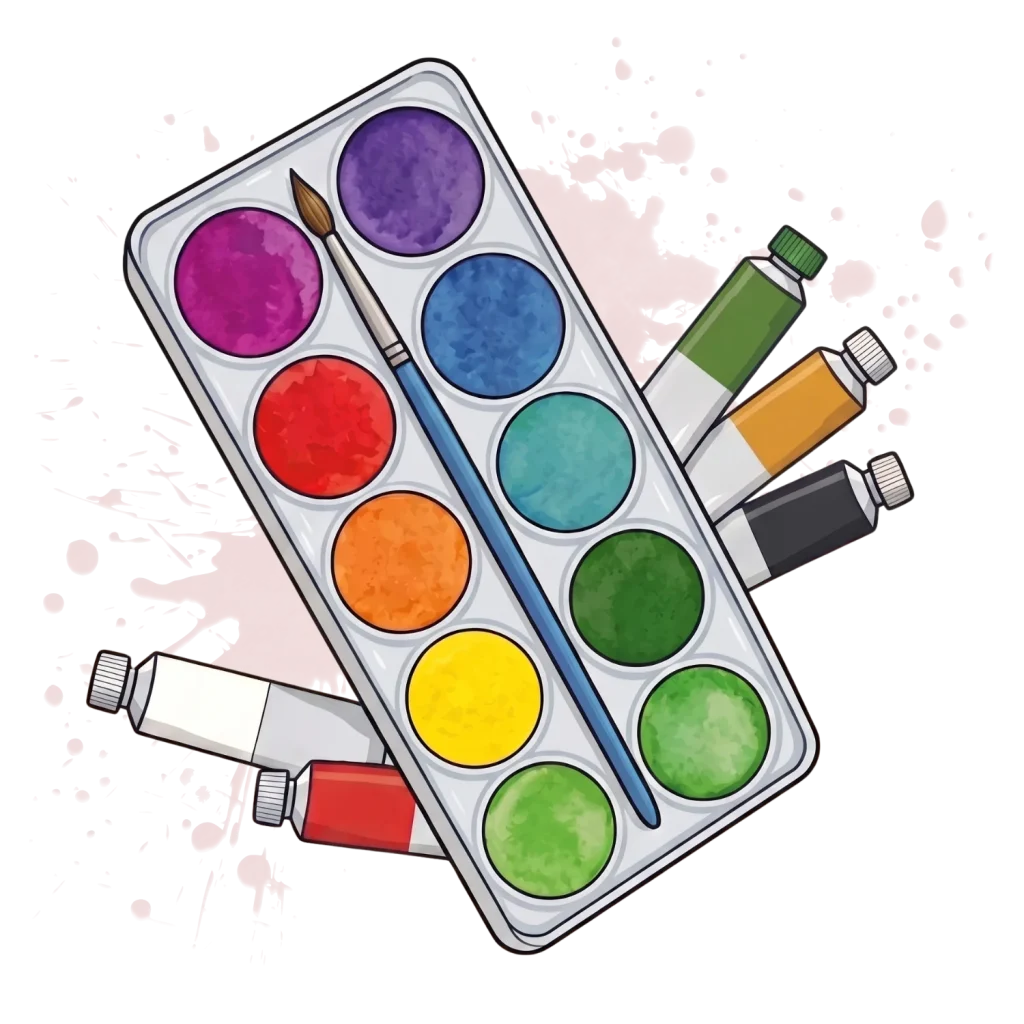

Pick a student-grade watercolor pan set or a basic acrylic starter set to learn color mixing affordably.
Look for paints with high pigmentation so your colors stay bright and vibrant on paper or canvas.
Watch out for expensive professional-grade paints early on, which can make you hesitant to experiment freely.
Choose synthetic brushes designed specifically for your paint type to avoid shedding bristles into your artwork.
7 | Desktop Organization Tools
Storage supplies and lighting serve as organizational tools for beginner artists, making it easy to sit down and start drawing whenever inspiration strikes.
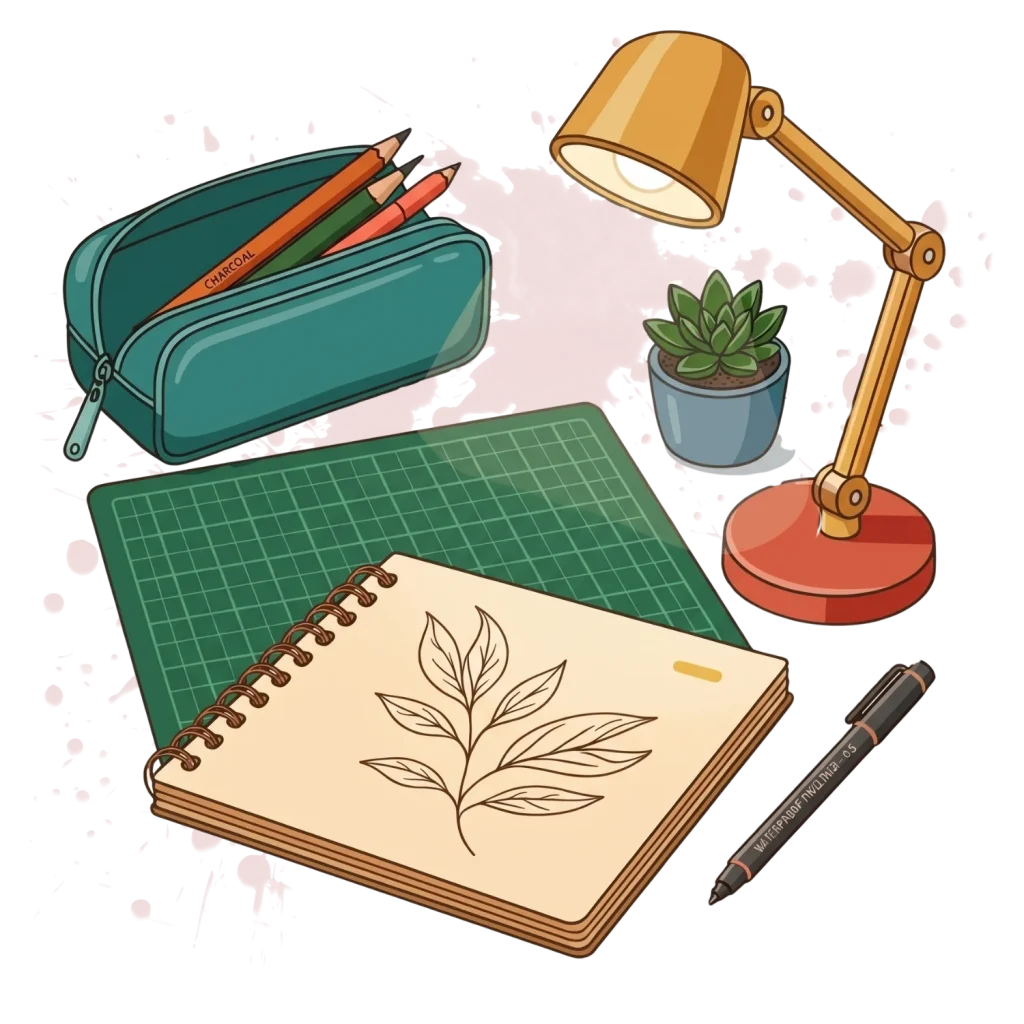
Pick a durable pencil pouch or desk cup to store your daily tools within easy reach.
Look for a desk lamp with natural daylight bulbs to reduce eye strain and accurately view colors.
Choose a simple cutting mat or protective paper pad to protect your tabletop from ink or paint spills.
Watch out for cluttered workspaces that create mental friction and delay your drawing sessions.
Start Your Art Journey
Now that you know the essential tools for beginner artists, it is time to start building your skills. You can learn hands-on techniques for drawing, shading, and painting from experienced instructors on PassionClass. Start your art journey with us today and make the most of your tools.
List your own art class or start learning how to paint, whichever fits where you are right now. This is the place to begin, grow your skills, and turn your passion into something more.