
Recognizing and Managing Mental Health Overwhelm
8 Practical Steps for Handling Mental Health Overwhelm
Experiencing deep exhaustion or burnout is a clear signal that your routine needs an immediate adjustment. When you are running on empty, forcing your way through the day only increases frustration and lowers productivity. Instead, making small, deliberate lifestyle changes can effectively lower your stress response. This guide outlines eight practical, non-medical actions you can take to ground your mind, protect your energy, and steadily recover from mental health overwhelm.
Step Away from All Digital Screens Immediately
One of the fastest ways to lower sensory input when you feel the initial signs of mental health overwhelm is to implement a strict, immediate digital break. Constant exposure to blue light, incoming emails, and flashing notifications forces your brain to remain on high alert, dragging out states of fatigue.
Off non-essential notifications
Silencing random alerts removes the continuous micro-interruptions that steadily build up and intensify your daily mental health overwhelm.
Leave your phone in another room
Creating physical distance between yourself and your devices removes the automatic urge to scroll mindlessly during mental health overwhelm.

Rest your eyes with natural light
Looking out a window or sitting quietly away from a screen gives your visual system a much needed chance to recover and completely reset your focus.
Engage in Controlled, Rhythmic Breathing
Physical exhaustion and stress often cause your breathing to become shallow and rapid, a physical response that reinforces mental health overwhelm. You can actively reverse this automated feedback loop by changing your breathing pattern.
Taking slow, deliberate breaths lowers your heart rate and signals safety to your body. This simple action takes less than two minutes and can be done quietly at your desk or in a quiet room to restore immediate internal balance when managing mental health overwhelm.

The four-second inhalation
Breathe in deeply through your nose, focusing on expanding your diaphragm fully to calm down.

The four-second hold
Pause gently at the top of the breath to allow your heart rate to steady and stabilize.
The four-second slow exhalation
Knowing a supportive community expects your presence makes you more likely to show up weekly.
Perform a Five-Minute Manual Brain Dump
When mental fatigue sets in, it is often because you are trying to keep too many tasks, reminders, and worries organized in your head at the same time. Leaving these thoughts spinning can rapidly trigger severe mental health overwhelm. Writing everything down on a piece of paper clears out your working memory instantly.
To do this effectively, grab a blank sheet of paper and a pen, set a timer for exactly five minutes, and follow these simple steps:
Write without filtering
Pour every thought, pending task, random worry, or personal reminder onto the page as it comes. Do not worry about neatness, grammar, or organization.

Categorize the clutter
Once your timer finally goes off, carefully sort your full list into three simple buckets: things to do today, things to delegate later, and things entirely outside your control.

Discard all the noise
Consciously cross off everything outside your control, immediately reducing your mental health overwhelm and making your actual priorities feel visible and manageable.

Move Your Body Through Gentle Stretching and Yoga
Unprocessed stress and mental health overwhelm often settle directly into your physical muscles, causing tightness in your back, shoulders, and hips. Shifting your focus to gentle physical movement is one of the fastest ways to break the cycle of mental fatigue.
You do not need an intense workout routine to experience the benefits of movement. Spending five minutes doing basic muscle stretches helps improve circulation and brings fresh oxygen to your brain, lifting the mental fog created by mental health overwhelm.
Step Outside for a Refreshing Daily Walk
When you are trapped in a loop of repetitive thoughts, your physical environment can often reinforce that stagnant energy. Changing your scenery by simply walking out your front door is a powerful, instant circuit breaker for mental health overwhelm.
Leaving your workspace for a short, outdoor walk allows your mind to shift from internal worries to external surroundings. The combination of natural light, fresh air, and steady physical movement naturally lowers stress hormones and helps restore your perspective.
Leave your devices behind
Walk without checking notifications or listening to intense audio to give your sensory processing systems a complete, quiet break.
Try to keep the pace relaxed
The goal is not high-intensity exercise, but rather a gentle, rhythmic movement to clear out the mental stagnation caused by mental health overwhelm.
Practice sensory awareness
Consciously name three things you can see, two things you can hear, and one thing you can physically feel to ground yourself in the moment.
Hydrate Efficiently and Simplify Your Nutrition
It is easy to forget basic physical habits when your schedule gets chaotic, yet mild dehydration can quietly worsen mental health overwhelm, causing sudden drops in concentration, headaches, and afternoon irritability. Fueling your body properly gives your brain the baseline energy it needs to process daily pressure.

Keep a water container nearby
A water flask on your desk reminds you to sip regularly and prevent dehydration from worsening mental health overwhelm.
Avoid relying solely on caffeine spikes
Excess coffee when exhausted triggers energy crashes and jitteriness that directly compound mental health overwhelm.
Choose simple, whole foods
Opting for balanced snacks like fruit or nuts helps keep your energy levels steady, avoiding sudden blood sugar drops.
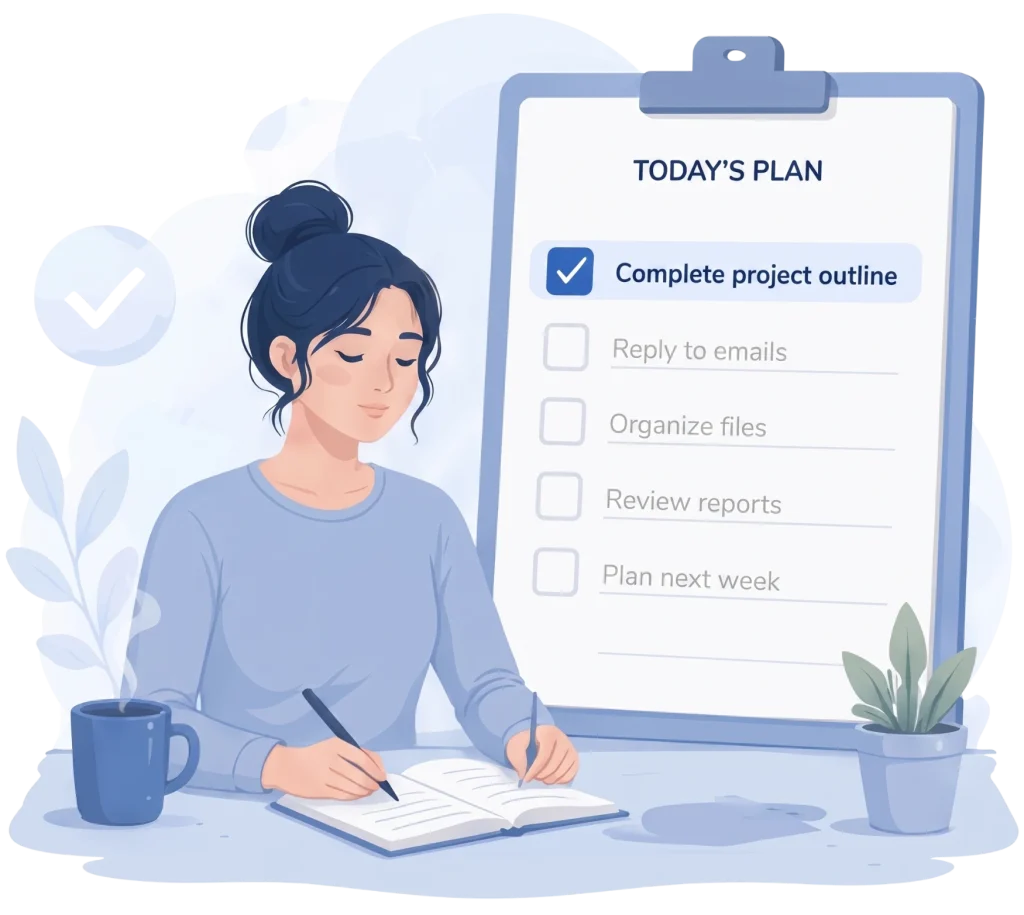
Establish a Single, Realistic Priority for the Day
When mental health overwhelm makes even small tasks feel completely monumental, looking at a long, detailed to-do list only increases your sense of paralysis. To break this cycle, you must drastically reduce your immediate expectations.
Look at your tasks and select just one item that genuinely needs your attention today. Put everything else on hold for tomorrow, allowing yourself to focus entirely on finishing that single task with complete peace of mind, free from the weight of mental health overwhelm.
Designate a Temporary, Obligation-Free Rest Zone
True recovery from deep exhaustion requires moments where you are completely free from demands, expectations, and roles. Creating a specific window of time in your evening to unwind is a highly effective way to keep mental health overwhelm from building up overnight.
Set a firm and clear cutoff time
Communicating a clear end to your working hours helps your mind fully transition away from responsibilities and daily mental health overwhelm.

Permit yourself to do nothing
Allow yourself to sit quietly, listen to calming music, or simply rest without feeling any internal pressure to remain constantly productive.

Keep your workspace out of sight
Closing your laptop or tidying away papers removes the visual cues that keep your mind tethered to daily stress and tasks.
Share Your Experiences Inside an Interactive Community
Trying to navigate mental health overwhelm in complete isolation often amplifies the feeling that you are stuck. Speaking openly about your daily challenges with supportive peers helps normalize your experiences and removes the heavy weight of exhaustion.
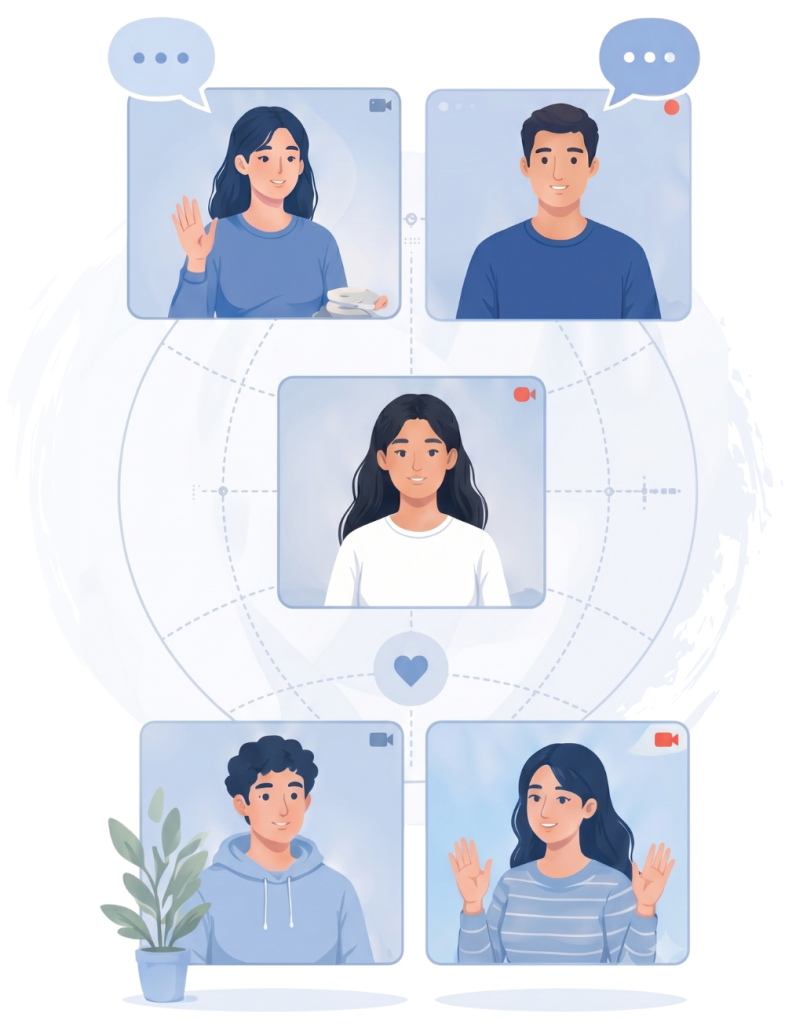
Participating in structured group discussions
Joining group sessions shows you that others manage mental health overwhelm using the exact same lifestyle habits.
Exchanging practical lifestyle tips
Learning how others set boundaries gives you fresh, actionable ideas to reduce mental health overwhelm in your routine.
Building a network of mutual accountability
Growing alongside a community makes prioritizing your personal well-being a natural, sustainable habit.
Take the Next Step for Your Well-Being
Collaborative group sessions make mental health coaching more sustainable and transformative. Explore our platform to find a live class, or share your own curriculum with a community eager to grow together.