
Overcoming Mental Health Burnout in a Digital World
How to Recognize and Prevent Mental Health Burnout
In today’s highly connected world, maintaining our well-being requires a careful look at how digital habits impact our minds. Many individuals now experience a gradual state of exhaustion known as mental health burnout—where they remain highly functional and productive on the outside while feeling completely depleted internally. This guide explores the direct intersection of digital habits, social media pressure, and mental health burnout, providing practical insights to help you protect your daily energy.

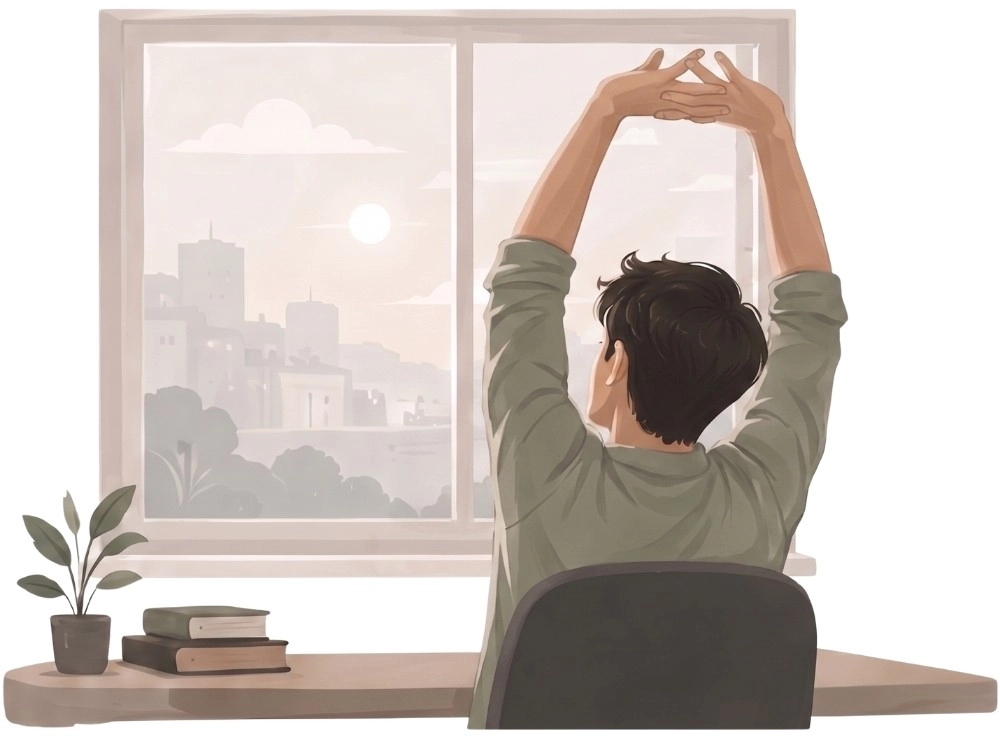
Understanding the Reality of Mental Health Burnout
This type of exhaustion is different from a sudden emotional crisis. Mental health burnout is the gradual, unnoticeable accumulation of daily stress and constant digital connectivity that slowly drains your internal resources over time.
Because you can still complete your daily responsibilities and manage your workload, mental health burnout often goes unnoticed by those around you. Recognizing this subtle state of exhaustion is the first step toward reclaiming your energy and reversing the effects of mental health burnout before it impacts your daily quality of life.
The Direct Impact of Digital Fatigue
Operating in a constant state of connectivity is a primary driver of modern mental health burnout. When your brain never gets a true break from incoming information, your cognitive stamina steadily declines. Managing this constant influx is essential to preventing digital habits from turning into chronic mental health burnout.
Constant sensory overload
The never-ending stream of daily notifications keeps your nervous system on high alert, steadily accelerating mental health burnout over time.
Overlapping lifestyle boundaries
When digital devices are always within reach, work and personal relaxation lines begin to blur, gradually worsening mental health burnout.
Persistent cognitive brain fog
Switching rapidly between different apps fractures your attention span and slowly drains the energy needed to avoid mental health burnout.


How Social Media Fuels Mental Health Burnout
A major contributor to mental health burnout is the amount of time we spend scrolling through various online platforms. Social media environments naturally encourage us to constantly compare our daily, unedited lives to the highly polished highlight reels of other people.
This automatic habit of comparing ourselves to people online often triggers deep-seated insecurities, body image issues, and a false sense of inadequacy that feeds directly into mental health burnout. We frequently forget that the content we consume is highly curated and specifically selected to show only the best moments, meaning that much of what we see on social media is entirely fake or unrealistic.
Recognizing the Signs of Digital Overload
Identifying the warning signs of overload is crucial for stopping mental health burnout in its tracks. Often, we ignore the subtle signals our minds send us until the exhaustion becomes too heavy to handle. Paying attention to these habits helps you see when your routine is leading straight toward mental health burnout.
The urge to scroll mindlessly
Reaching for your phone automatically during every spare moment are already clearly experiencing signs of mental health burnout.
Increased irritation with alerts
Feeling a sudden wave of internal frustration or tension whenever a notification appears is a key warning sign of mental health burnout.

Disrupted sleep hygiene routines
Finding it difficult to calm a racing mind before bed due to screen exposure that quietly intensifies mental health burnout over time.
Practical Steps to Break the Comparison Cycle
To protect your mind from mental health burnout, you must change how you interact with online content. Stepping away from the comparison trap allows your brain to rest and recover from the constant pressure to keep up. Shifting your focus back to reality is a powerful tool for lowering mental health burnout.

Curate an intentional digital feed
Unfollow or mute accounts that trigger feelings of self-doubt, comparison, or mental health burnout.
Remind yourself of the digital filter
Consciously acknowledge that social media content is often artificial and rarely reflects a complete reality.

Focus on internal progress milestones
Shift your energy away from external online comparisons to protect your mind from mental health burnout.
Daily Habits to Reduce Mental Health Burnout
To maintain a healthy relationship with your devices, it helps to establish clear physical boundaries that protect your focus. Implementing simple, repeatable habits throughout your routine can rapidly lower sensory overload and prevent mental health burnout from accelerating.
Scheduled device-free intervals
Setting aside dedicated blocks of time during the day, such as during meals, helps your mind genuinely rest and recharge its focus.
The morning screen boundary
Avoiding the urge to check email or social media for the first fifteen minutes after waking up protects your energy and mental clarity.
Creating a tech parking spot
Designating an area outside your bedroom to charge devices keeps your resting space calm, quiet, and free from digital interruption.
The Power of Real-World Grounding Exercises
Engaging in activities that do not involve a screen is essential for reversing mental health burnout. Tactile experiences help ground your awareness in the present moment, giving your digital processing senses a total break. These exercises are simple, effective ways to clear the cognitive clutter that feeds mental health burnout.

Engaging in off-screen hobbies
Dedication to physical activities like cooking, reading paper books, or gardening to soothe mental health burnout.
Intentional physical movement
Taking short, outdoor walks without your phone to lower the stress hormones connected to mental health burnout.
Simple manual brain dumping
Using a physical notebook to write down your thoughts, clearing mental clutter without the distraction of a screen.
Creating a Sustainable Virtual Routine
Building a sustainable schedule requires you to actively defend your personal time from digital intrusion. When you create clear structures around your device usage, you give your mind the predictable rest it needs to ward off mental health burnout. A balanced routine ensures that technology remains a tool rather than a source of stress.
Strict professional boundaries
Communicating clear availability hours to colleagues helps you fully disconnect and protect your mind from gradually wearing down.
Organizing your home workspace
Keeping work equipment completely out of sight during personal hours signals your mind that it is time to slow down and fully unwind.
Embracing passive and quiet rest
Allowing yourself quiet downtime without filling the silence with a video or social media scroll restores your mental energy.
Nurturing Meaningful, Authentic Connections

Prioritizing face-to-face interactions
Investing your time in real-life conversations with friends and family to build a buffer against mental health burnout.
Practicing active, focused listening
Engaging deeply in conversations without looking at your device, which builds authentic mutual support.

Sharing honest, real-world experiences
Choosing to speak openly about daily challenges with trusted peers, reducing the isolation of mental health burnout.
Take the Next Step for Your Well-Being
Mastering emotional self-regulation protects your mental health. A structured, interactive environment makes building these habits easier. Explore our platform today to find a live online class, or list your own curriculum to share your strategies with a growing community.