
Basics of Emotional Self-Regulation
A Simple Guide to Better Emotional Self-Regulation
Understanding emotional self-regulation is a foundational skill that allows us to monitor and manage our energy states, thoughts, and behaviors. When we practice consistent emotional self-regulation, we can navigate everyday stress, avoid impulsive reactions, and maintain mental clarity during challenging moments. This comprehensive guide outlines the basic mechanisms of how we process internal emotions and provides practical, evidence-based tools to help you steadily build your emotional self-regulation skills.

What is Emotional Self-Regulation?
Emotional self-regulation does not mean hiding, suppressing, or ignoring your true feelings. Instead, emotional self-regulation refers to the practice of recognizing an internal emotion as it arises, pause-processing it logically, and choosing a constructive way to express or respond to that feeling.
When we do not actively practice emotional self-regulation, we tend to react purely on instinct or out of immediate frustration. Developing this basic skill creates a healthy internal buffer between an external stressor and your ultimate reaction, allowing you to stay in control of your choices and preserve your overall peace of mind.
The Three Core Stages of an Emotional Response
To apply emotional self-regulation effectively, it helps to understand the natural sequence your mind and body undergo whenever an emotion is triggered. Breaking down this rapid process into distinct stages makes it much easier for emotional self-regulation to step in and manage your feelings before they completely take over your mindset.

The initial trigger
An external event occurs and is instantly processed by the brain’s emotional center, highlighting the immediate need for emotional self-regulation.

The physical sensation
Before a thought forms, the body reacts physically, signaling that your emotional self-regulation tools should be activated to calm the nervous system.

The conscious reaction
The final stage where you recognize the feeling and decide whether to react impulsively or respond mindfully using emotional self-regulation tools.
The Vital Connection Between the Body and Mind
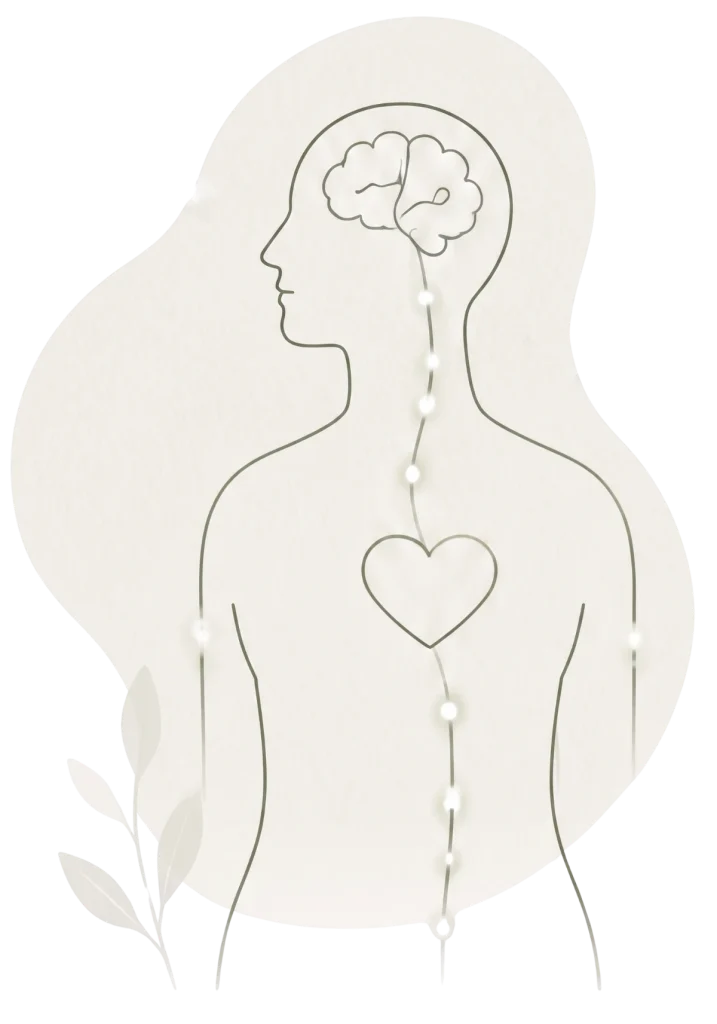
It is impossible to separate emotional self-regulation from your physical state because the nervous system directly links them together. When your body is running on empty, your brain lacks the necessary resources to process complex emotions logically, making emotional self-regulation much harder to maintain throughout a busy day.

The impact of exhaustion
A lack of proper rest lowers your frustration threshold, impairing your natural capacity for emotional self-regulation.

Nutritional support for mood
Going too long without hydration can trigger sudden drops in patience, making active emotional self-regulation highly difficult.

Physical tension storage
Unprocessed stress settles into the body, reinforcing a loop of discomfort that disrupts emotional self-regulation.
Key Benefits of Strong Self-Regulation Skills
Developing a reliable method for emotional self-regulation brings massive improvements to your daily quality of life. When your daily routine is backed by consistent emotional self-regulation, you save an incredible amount of mental and physical energy that would otherwise be spent on sudden mood shifts.

Lessens emotional exhaustion
Active emotional self-regulation prevents daily stress from building up, stopping it from turning into long-term mental fatigue.

Enhances daily decision-making
Practicing emotional self-regulation ensures that your daily choices are guided by sound logic rather than temporary irritation.
Clearer personal communication
Strong emotional self-regulation allows you to express personal needs calmly and listen without getting immediately defensive.

Identifying Common Emotional Triggers
Awareness is the absolute foundation of any emotional self-regulation practice, and it begins with knowing what specific situations test your patience. Recognizing these triggers before they happen allows you to prepare your emotional self-regulation response in advance rather than being blindsided by your emotions. When you map out your frequent stressors, you transform a sudden reaction into a planned event managed by conscious emotional self-regulation.
Simple Actions to Regulate Your Mind in the Moment
When an emotional response feels overwhelming, you can use quick grounding techniques as a form of immediate emotional self-regulation. These small exercises require no extra equipment and serve as direct emotional self-regulation tools that can be practiced quietly anywhere to help restore your mental balance instantly.
The goal of real-time emotional self-regulation is to interrupt the automated stress cycle before it escalates. By shifting your attention to a physical action, you give your logical brain the time it needs to practice emotional self-regulation smoothly.

Intentional ten-second pause
Taking a ten-second pause before speaking to let the initial emotional spike settle down is a classic emotional self-regulation method.

Controlled sensory check-ins
Naming physical objects in your surroundings to pull the mind away from racing thoughts and restore emotional self-regulation.

Regulated breathing patterns
Inhaling deeply for four seconds and exhaling slowly for four seconds actively supports emotional self-regulation by lowering heart rate.
Shifting Out of a Fixed Thought Pattern
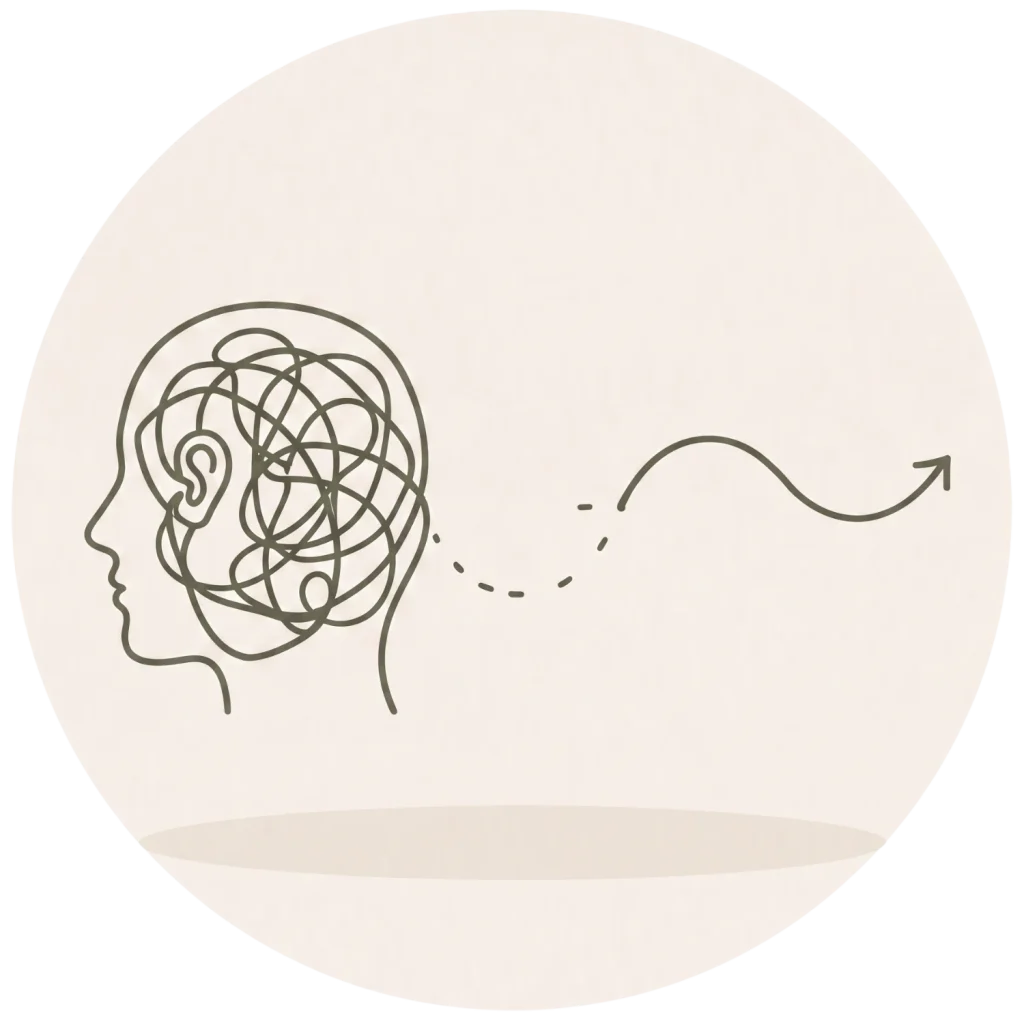
Often, a failure in emotional self-regulation is fueled by a repetitive, negative thought looping in our minds. Learning to step outside of your immediate thoughts allows you to look at a situation objectively, which is a core strategy of long-term emotional self-regulation. By questioning the accuracy of your stressful thoughts, you break their emotional hold and restore healthy emotional self-regulation over your behavior.

Observe
Notice the thought without immediately believing it.

Question
Challenge whether the thought is completely accurate.

Reframe
Choose a more balance perspective.
Long-Term Habits That Support Internal Balance
Building sustainable emotional self-regulation is a gradual process that relies on consistent daily lifestyle choices. Just as physical strength is built through regular exercise, emotional flexibility requires small, predictable routines that fortify your emotional self-regulation capabilities over time.

Consistent daily reflection
Spending five minutes writing down your thoughts to clear out cognitive clutter and identify patterns for better emotional self-regulation.

Prioritizing restorative sleep
Maintaining proper sleep hygiene ensures your brain is fully rested, which naturally increases your capacity for emotional self-regulation.

Participating in structured learning
Joining live classes gives you a dedicated space to learn evidence-based wellness strategies focused on improving emotional self-regulation.

Creating a Safe Physical and Digital Environment
Your immediate surroundings play a quiet but massive role in how easily you can maintain emotional self-regulation throughout the day. A workspace or living area filled with constant loud noises, heavy clutter, and unending digital notifications keeps your nervous system on high alert and drains your capacity for emotional self-regulation. Organizing your physical environment and taking regular device breaks removes unnecessary micro-stressors, making it significantly easier to practice emotional self-regulation.
Take the Next Step for Your Well-Being
Mastering emotional self-regulation protects your mental health. A structured, interactive environment makes building these habits easier. Explore our platform today to find a live online class, or list your own curriculum to share your strategies with a growing community.