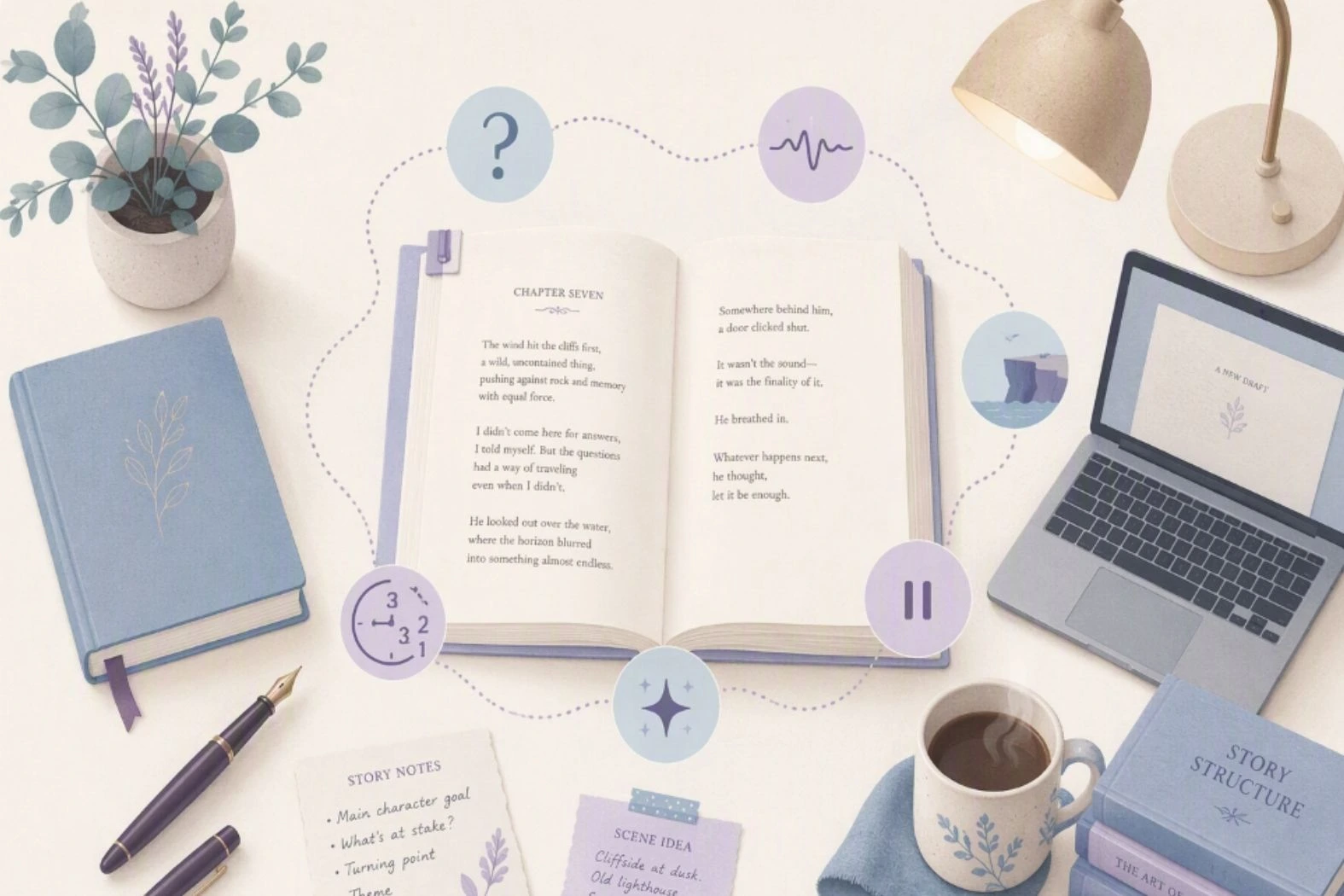
How to Keep Readers Hooked Until the Very Last Page
6 Proven Ways to Keep Readers Hooked Until the Next Chapter
Every writer wants to craft a story that readers simply cannot put down. When someone tells you they stayed up way past their bedtime just to read “one more chapter,” it means your scene endings are doing their job. Learning how to keep readers hooked comes down to ending scenes at the exact moment that sparks curiosity. By using targeted techniques to keep readers hooked, you can maintain relentless momentum, keep your audience deeply invested in your characters, and leave them eager to find out what happens next.
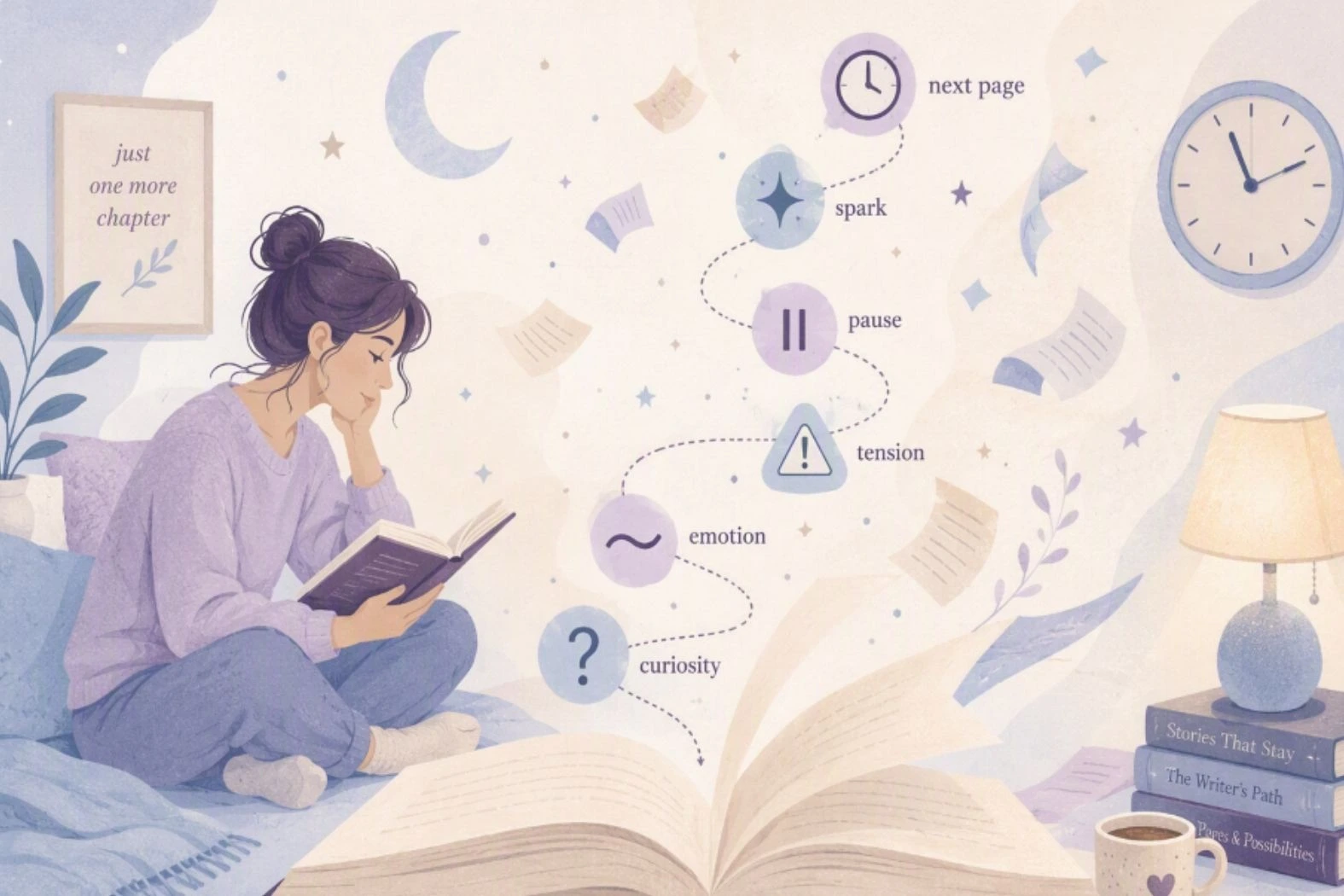
1 | End on an Unresolved Question
Leave a crucial piece of information just out of reach at the end of a scene. When a character uncovers a secret envelope, receives a mysterious phone call, or spots a strange shadow, cut the chapter right before the discovery is revealed. This is one of the easiest ways to keep readers hooked, as they must keep turning pages to find the answer.


Builds immediate curiosity by withholding a key detail

Keeps readers actively guessing and turning pages for answers

Creates a natural bridge between two scenes
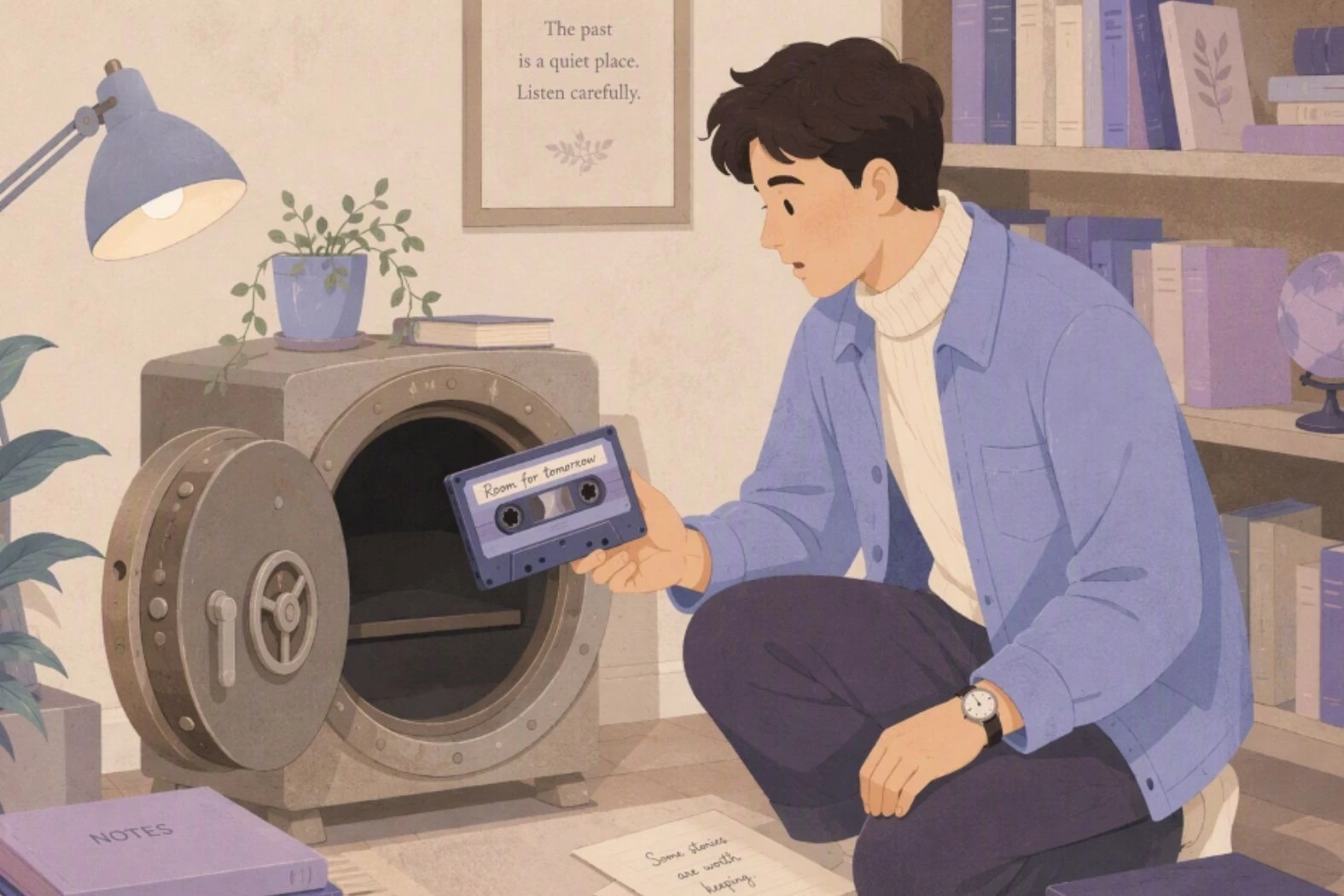
Example:
Leo finally crack opens his late father’s safe, expecting land deeds, but finds a single cassette tape labeled with today’s date—and his own name written in fresh, wet ink.
2 | Shift the Emotional Stakes
Change the mood or dynamic right at the final sentence. A conversation that starts as a warm reunion can end with a shocking betrayal, or a moment of relief can be suddenly shattered by bad news. Knowing how to keep readers hooked through emotional shifts ensures your story never feels flat or monotonous.


Reverses the momentum of a scene instantly

Forces the character to adapt to a sudden new reality

Keeps the emotional trajectory of the story dynamic and unpredictable

Example:
After spending hours celebrating his major promotion with his mentor, Leo walks him to his car—only to overhear his mentor whisper into his phone, “He swallowed the bait. Initiate the fall guy plan.”
3 | Use a Physical or Situational Cliffhanger
Place your protagonist in immediate danger or a high-pressure dilemma. Whether it is a literal danger like a car spinning out of control or a social dilemma like walking into an unexpected confrontation, immediate tension works reliably to keep readers hooked when they want to make sure the protagonist survives.
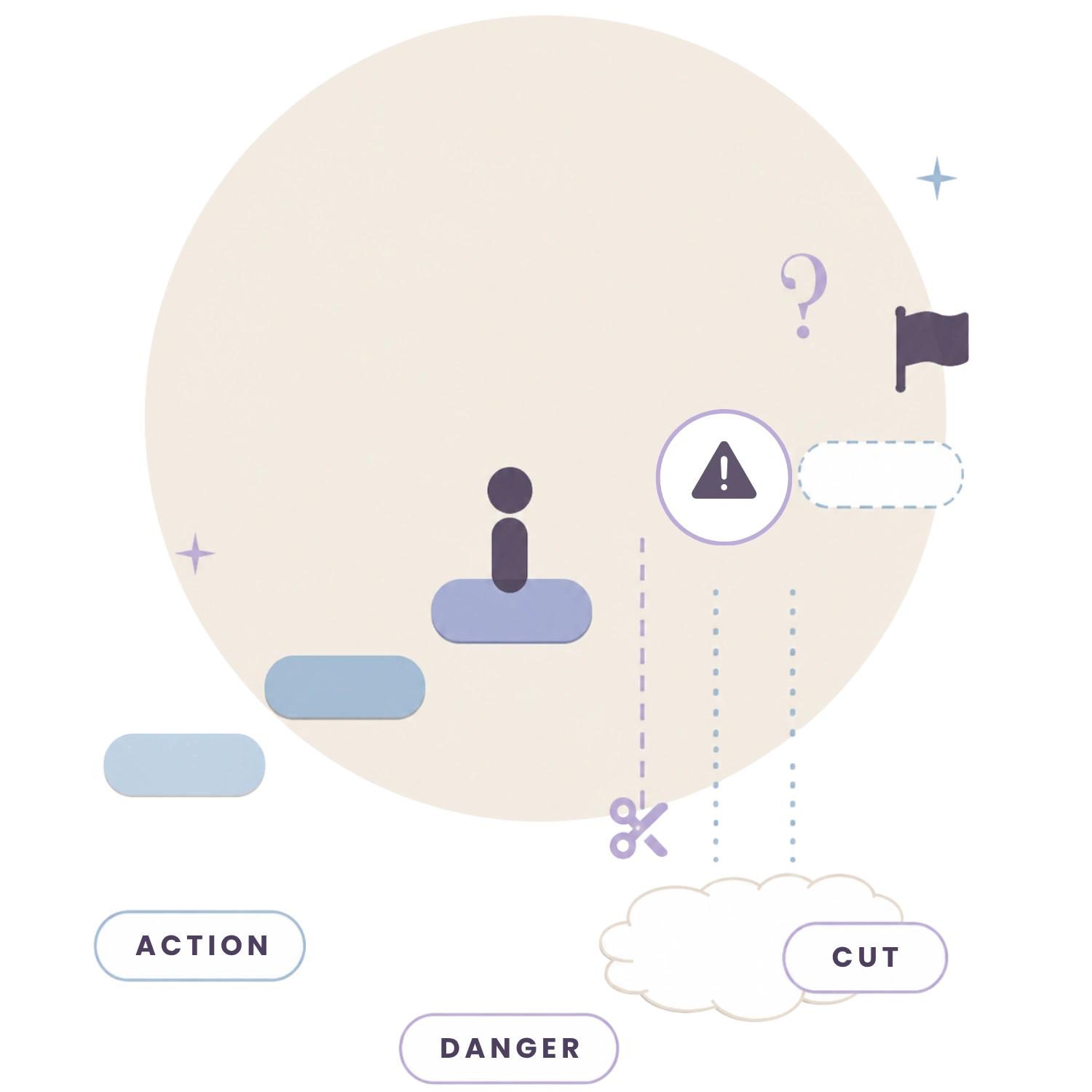

Raises the urgency and risk level for your protagonist

Creates an immediate physical or social threat that demands resolution

Taps into the reader’s natural desire for character safety
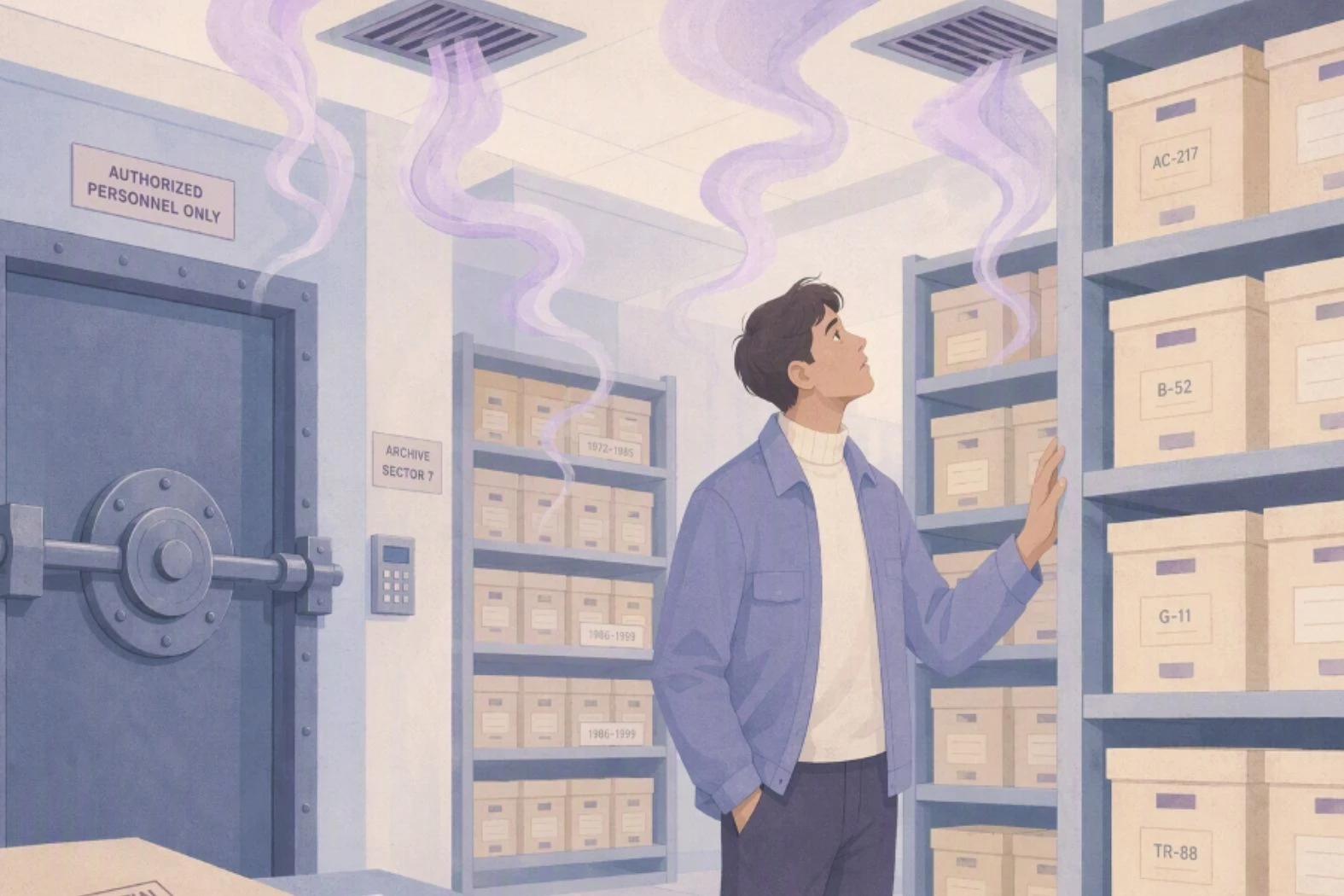
Example:
Trapped in the high-security archive room after hours, Leo hears the heavy iron bolt shoot forward, locking him inside just as thick, sweet-smelling gas begins hissing out from the ceiling vents.
4 | Interrupt an Important Action
Stop the narrative mid-action right at a critical turning point. Cutting away just as a character reaches for a handle, starts to make a major confession, or turns around to face an intruder creates instant narrative momentum that carries directly into the next page.
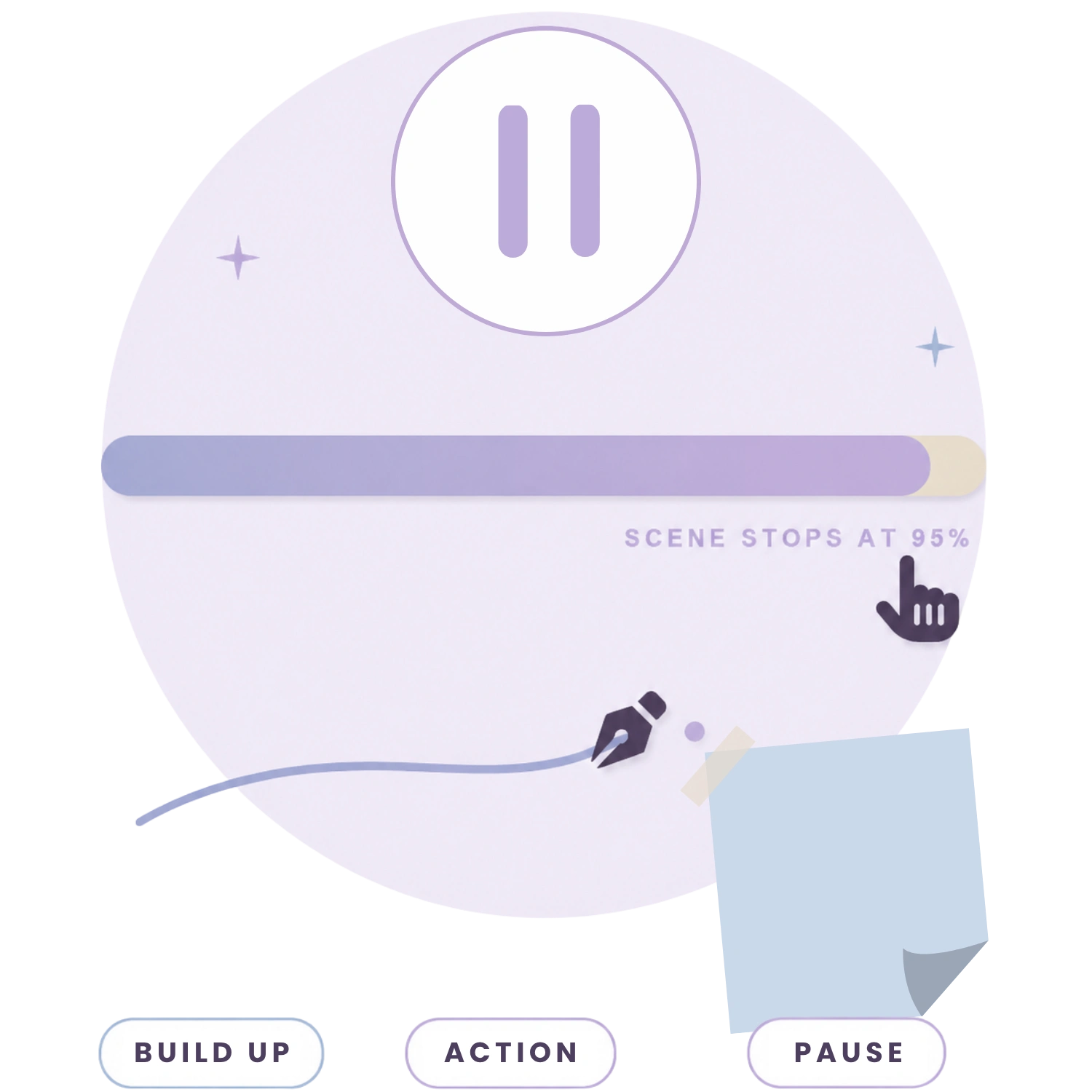

Leaves the scene’s peak moment unresolved

Uses pacing to heighten anticipation

Pulls the reader directly into the opening sentence of the next scene
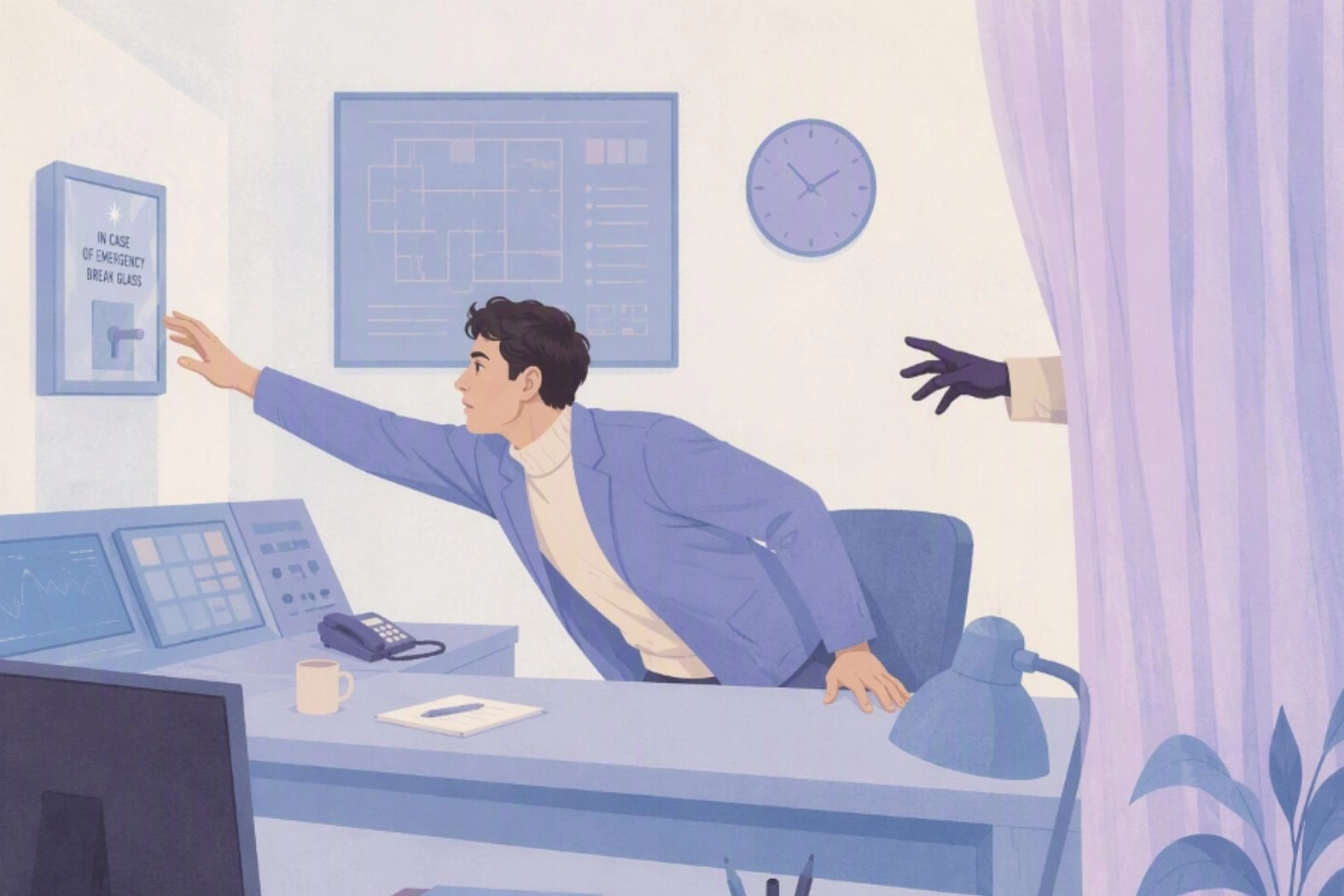
Example:
Leo lunges across the desk to smash the emergency glass and stop the system wipe, but before his fist hits the panel, a gloved hand reaches out from behind the curtain and presses a cold gun barrel against his temple.
5 | Drop a Surprising Final Line
Craft a punchy, memorable last sentence that reframes the entire chapter. A strong, short closing line—such as a sudden realization, a bold decision, or a dramatic statement—delivers a micro-twist that helps keep readers hooked for the upcoming scene.
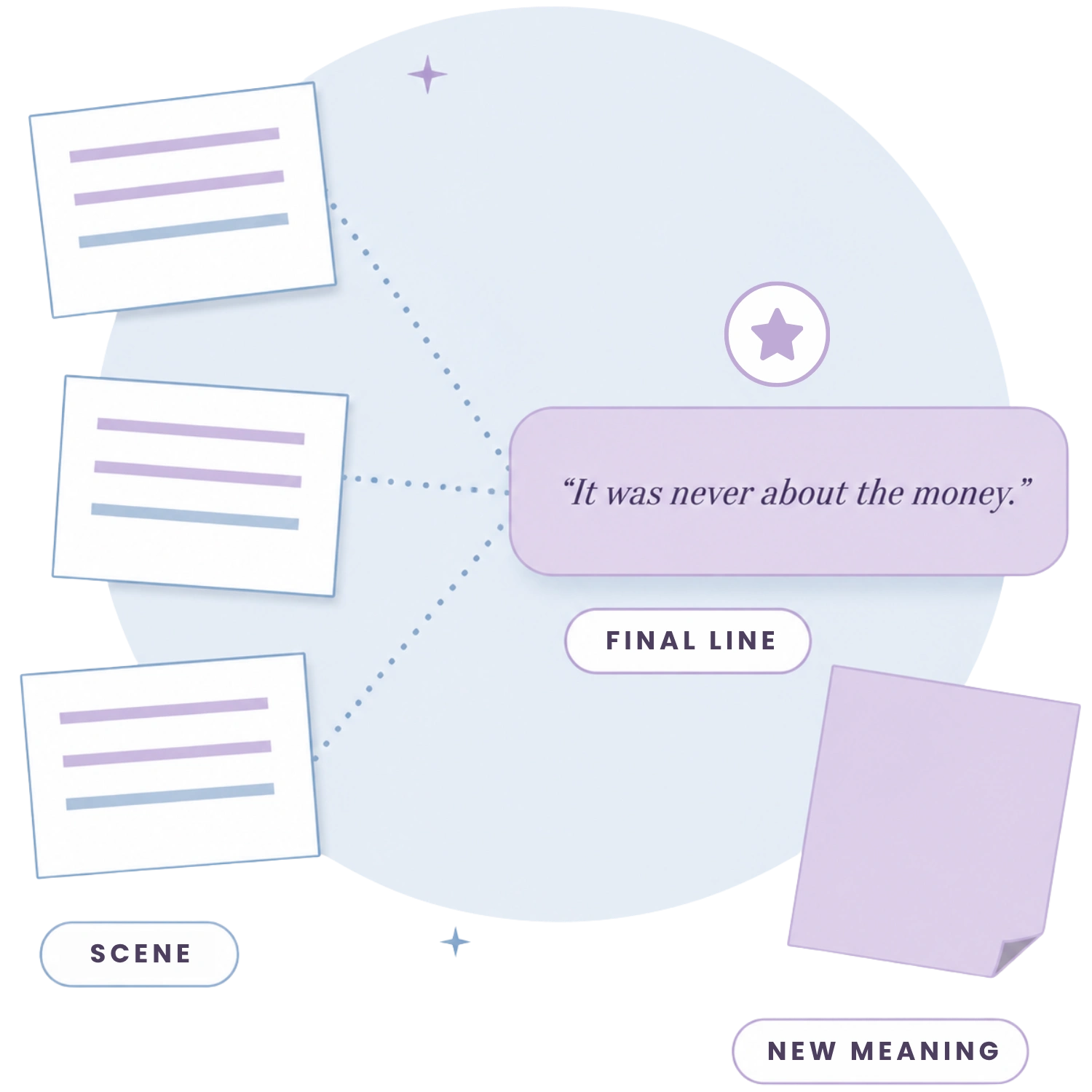

Delivers a sudden jolt of realization right before the page break

Simplifies complex scene tension into one powerful thought

Leaves a lingering impression that entices the reader to continue
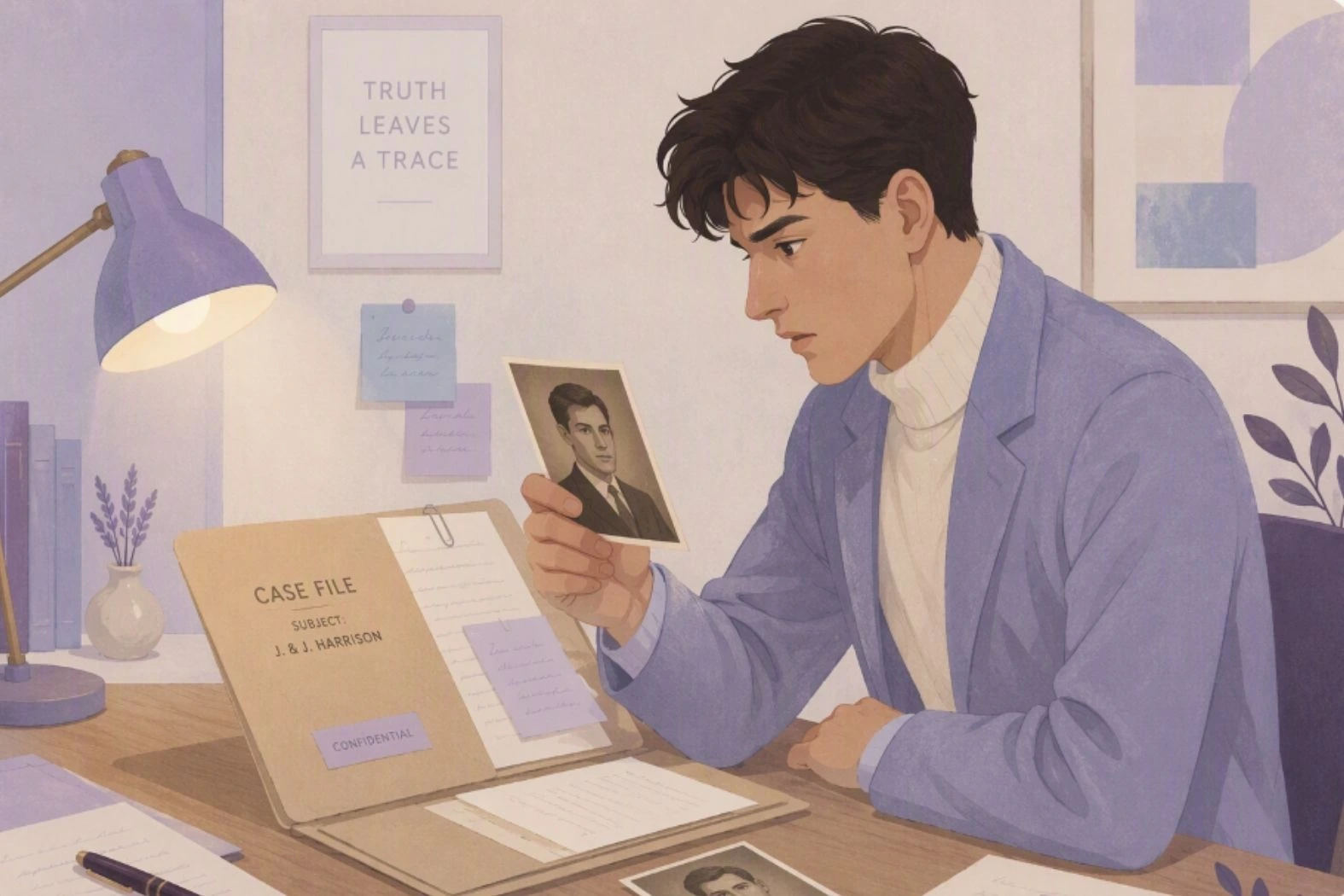
Example:
Leo looks down at the mugshot of the suspect who framed him three years ago—and recognizes his own twin brother, who allegedly died at birth.
6 | Promise a High-Stakes Shift for the Next Scene
Give the reader a clear expectation of an exciting event about to happen next. Having a character announce a risky plan or set a deadline for the next morning establishes clear anticipation. This structural technique is a classic method to keep readers hooked long into the night.
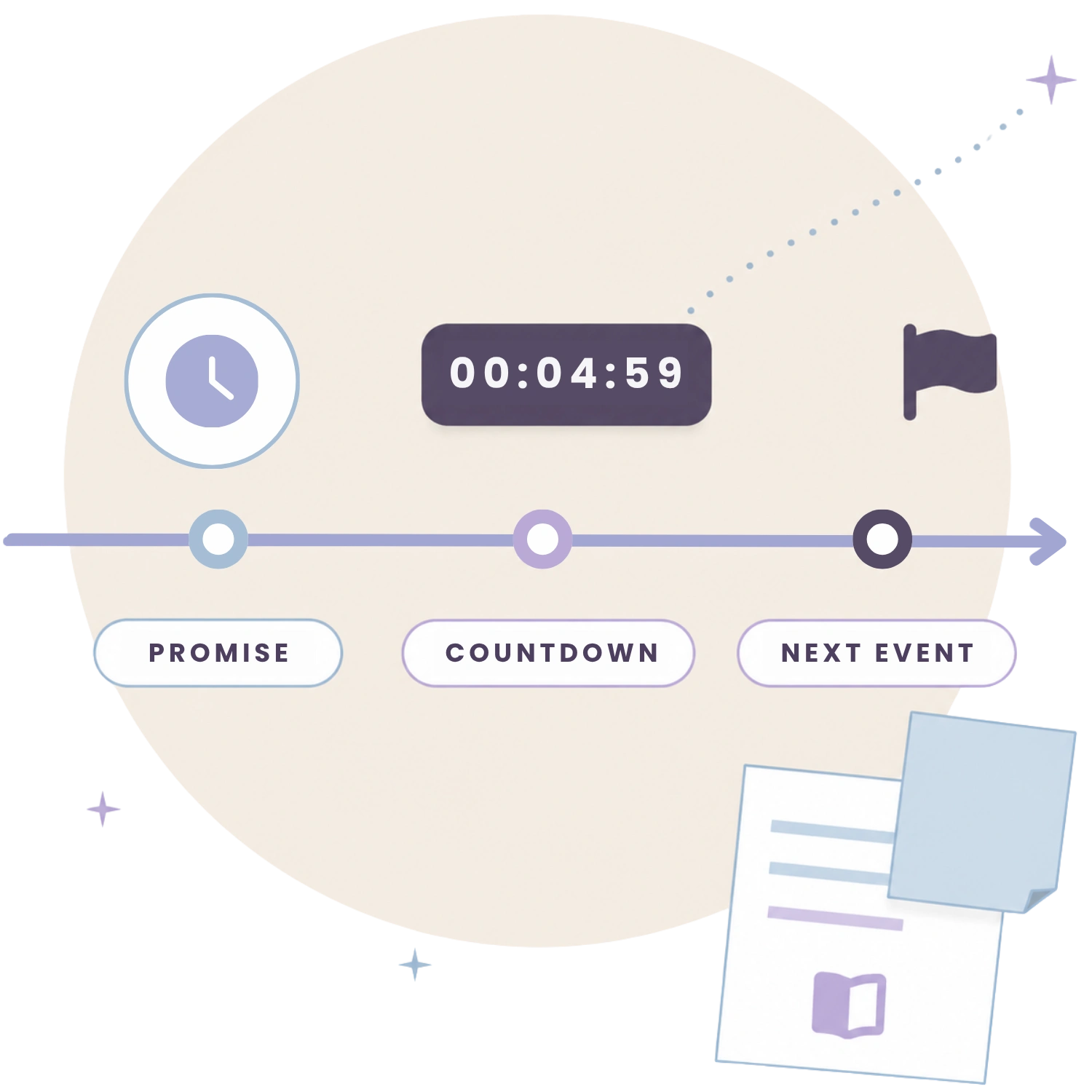

Establishes a clear target and countdown for the upcoming chapter

Builds anticipation for a major confrontation or milestone

Keeps the story’s forward trajectory crystal clear
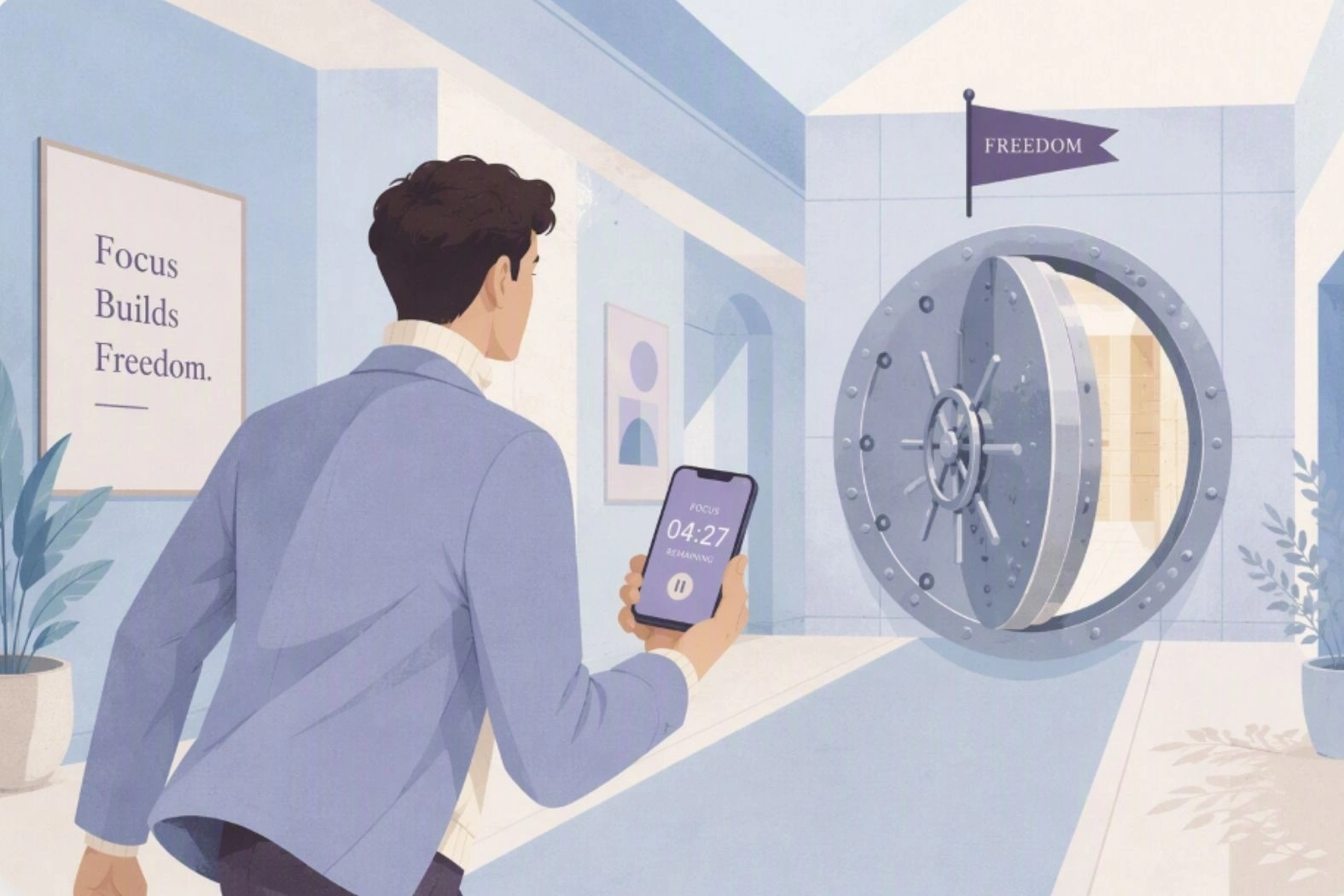
Example:
Leo glances at the digital timer on his phone showing 00:04:59, knowing he has five minutes to break into the CEO’s private vault before the building detonates.
Start Writing Today and Unlock Your Mind
Ready to uncover your unique voice as a writer? You can learn hands-on techniques from experienced instructors and experiment with different creative approaches on PassionClass. Start your writing journey with us today and watch your storytelling skills grow.
List your own writing class or start learning how to write stories, whichever fits where you are right now. This is the place to begin, grow your skills, and turn your passion into something more.