
The Basics of Journalism for Better Reporting
The 5 Ws and 1 H: Mastering the Core Basics of Journalism
Every impactful news story relies on a clear, objective structure to inform the public accurately. When learning the basics of journalism, the first rule is to deliver critical facts quickly and clearly without leaving the audience confused. The traditional formula known as the 5 Ws and 1 H serves as the backbone of news writing, ensuring every essential angle of an event is addressed. By grounding your reporting in these essential basics of journalism, you can produce balanced, comprehensive articles that readers can trust.

01 / WHO
Who Are the Key Figures in the Story?
Every event revolves around the people involved, whether they are community leaders, eyewitnesses, or ordinary citizens. A fundamental part of the basics of journalism is naming the primary subjects clearly to establish credibility and human context.

Names the individuals or organizations directly involved in the event

Distinguishes between sources, officials, and affected parties

Adds human interest and clear accountability to the narrative

02 / WHAT
What Actually Happened?
Readers need to know the core issue or incident right away. Understanding the basics of journalism means cutting straight to the central event so the audience immediately grasps the significance of the news.

Defines the primary action, decision, or occurrence in simple terms

Highlights the immediate impact or consequences of the situation

Prevents minor background details from burying the main point
03 / WHERE
Where Did the Event Take Place?
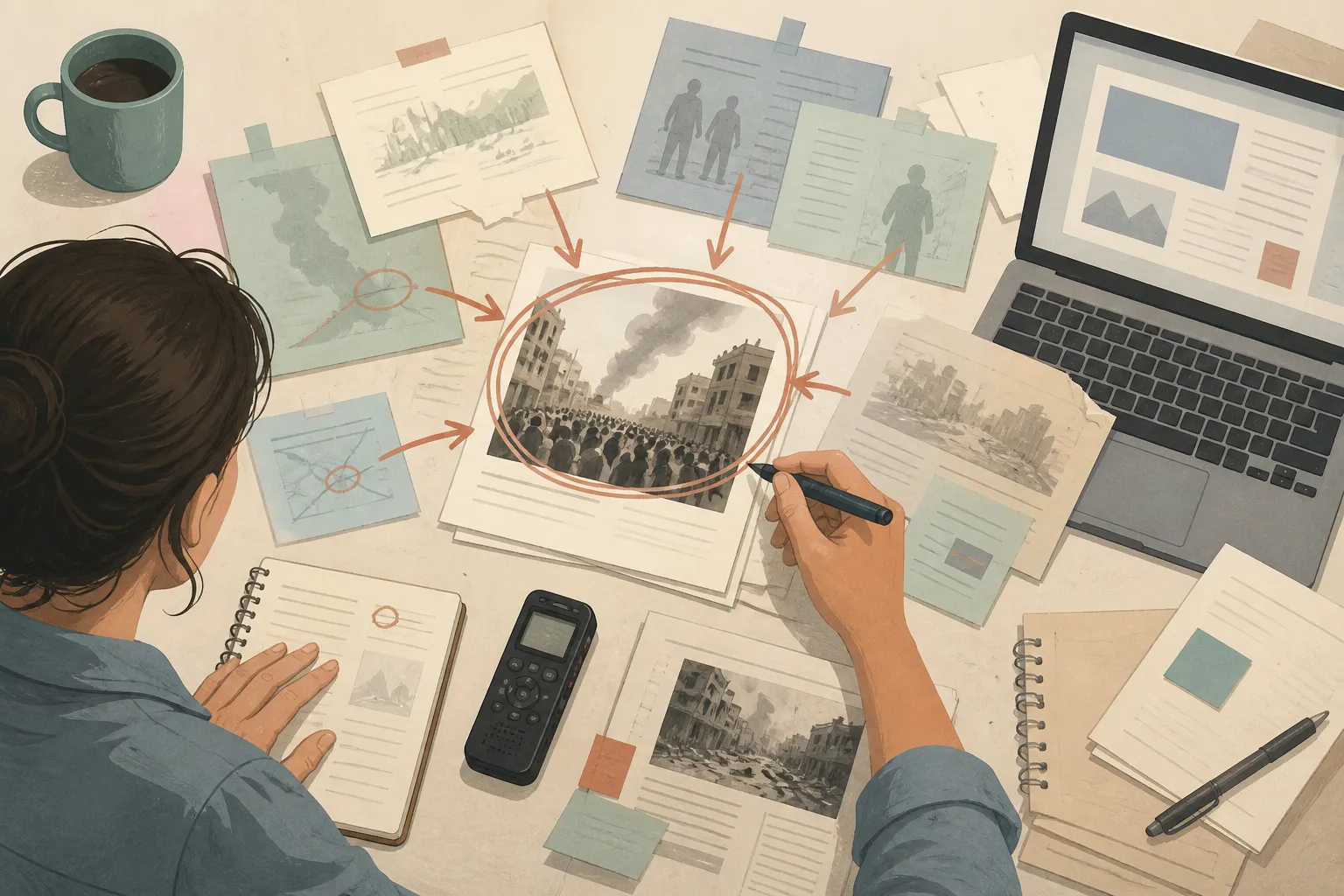
Context depends heavily on setting the scene accurately. In the everyday practice of the basics of journalism, pinpointing the exact location grounds the story and helps readers understand its local or global relevance.

Details the city, neighborhood, or specific venue where the event happened

Provides geographic context that connects the story to the community

Clarifies if the issue is localized or part of a broader trend

04 / WHEN
When Did the Story Unfold?
Timing is everything in news reporting. Following the core basics of journalism requires giving readers a precise timeline of when events occurred, when decisions take effect, or when upcoming developments are expected.

Establishes clear dates, times, and chronological order

Differentiates between past events, breaking updates, and future milestones

Informs readers about immediate deadlines or urgent community notices

05 / WHY
Why Does This Matter to Readers?
Reporting goes beyond simply listing facts; it explains the motivation or root cause behind an occurrence. Exploring the deeper reasons behind a development is a crucial skill within the basics of journalism that gives an article substance.

Explores the factors that triggered the event or policy change

Provides background context to help readers understand cause and effect

Keeps the coverage fair by addressing differing viewpoints and motives

06 / HOW
How Did Everything Happen?
Rounding out a complete report means explaining the mechanics of how an event unfolded or how a solution will be carried out. This final step connects every piece of information into a coherent, easy-to-follow explanation.

Breaks down complex procedures into clear, understandable steps

Describes the specific methods used to resolve a problem

Answers lingering practical questions about what comes next

Your next move
Learn Journalism Today
Ready to sharpen your reporting skills and find your journalistic voice? You can learn practical investigation and news writing techniques from experienced instructors on PassionClass. Start your journalism journey with us today and learn how to report stories that matter.
List your own journalism class or start learning the essentials of news reporting, depending on what fits your current goals. This is the place to begin, sharpen your skills, and turn your passion for reporting into impactful stories.