
The Poet's Starter Kit
A Simple Guide to How to Write a Poem Better
Many people assume poetry requires complex rules, rigid rhyming schemes, or a secret artistic talent. However, learning how to write a poem is simply about capturing a single emotion, image, or idea and expressing it with intentional language. Whether you want to explore personal feelings or experiment with creative expression, understanding how to write a poem helps you slow down and make every word count. By using these six practical tips, you can write impactful poetry without feeling overwhelmed.

Lesson 01
Start with Concrete Imagery, Not Abstract Feelings
When learning how to write a poem, focus on tangible sights, sounds, and textures rather than just naming emotions like “sadness” or “joy.” Showing a cracked teacup or a cold rain paints a vivid picture that lets readers feel the emotion themselves.

Engages the reader’s physical senses through specific details

Replaces vague emotional terms with memorable, grounded visual pictures

Creates a stronger emotional impact by letting the reader draw their own conclusions

Lesson 02
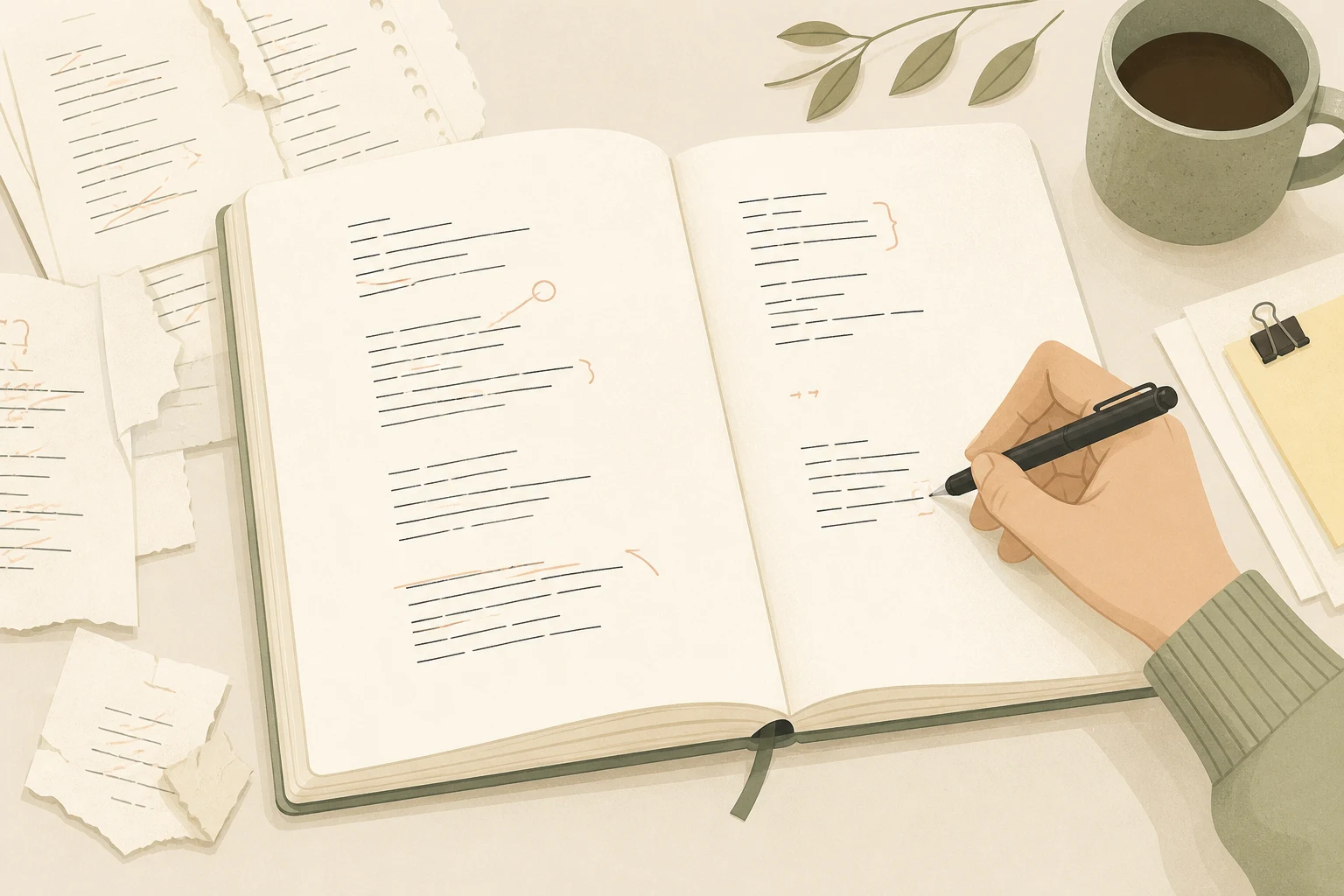
Experiment with Line Breaks for Emphasis
Line breaks are one of the most powerful structural tools when discovering how to write a poem. Pausing a line in an unexpected spot forces the reader to slow down and gives specific words extra weight and dramatic tension.

Controls the reading speed and rhythm of your stanza

Highlights key words by placing them at the beginning or end of a line

Creates subtle pauses that add depth to simple sentences
Lesson 03
Read Your Poem Out Loud to Hear the Rhythm
Poetry is a vocal art form built on sound, cadence, and pause. As you practice how to write a poem, reading your draft out loud helps you catch clunky phrasing, awkward rhythms, and natural pauses that need adjustments.

Reveals the natural musicality and flow of your word choices

Identifies tongue-twisters or awkward transitions that disrupt the reading experience

Helps you fine-tune the cadence of your lines before finalizing the draft

Lesson 04
Embrace Unconventional Comparisons
Using metaphors and similes is a central skill when learning how to write a poem. Connecting two seemingly unrelated ideas allows you to create fresh, surprising descriptions that spark the reader’s imagination.

Avoids cliché expressions that readers glaze over

Offers a surprising new perspective on familiar experiences

Deepens the thematic meaning behind simple everyday objects

Lesson 05
Focus on the Power of Word Economy
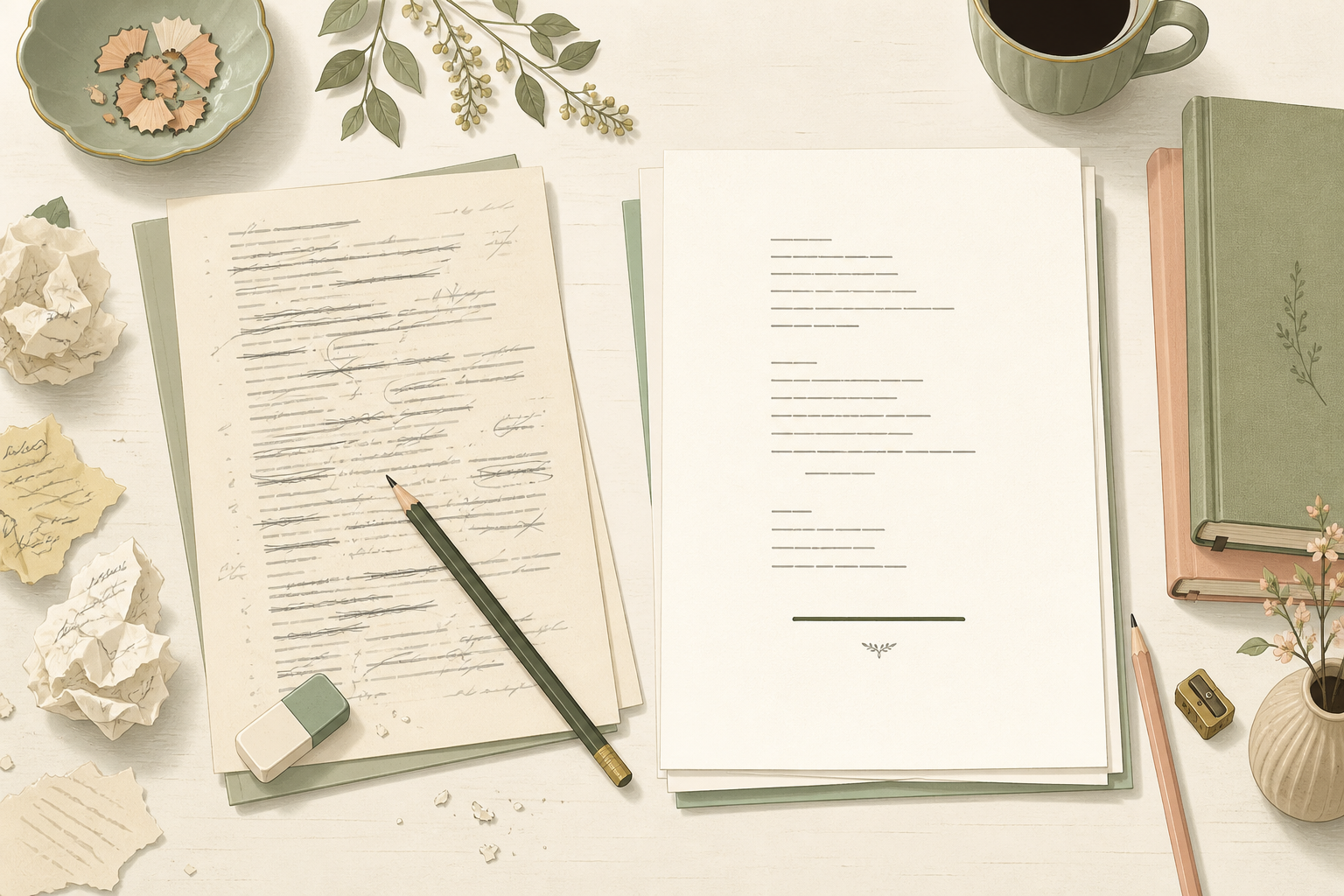
Every word in a poem must earn its place on the page. Knowing how to write a poem effectively means stripping away unnecessary filler words, extra adjectives, and repetitive phrases so your core message shines through clearly.

Delivers maximum emotional impact using minimal text

Prevents prose-like rambling from cluttering your central image

Trains you to choose precise, powerful verbs and nouns
Lesson 06
Write Without Forcing a Rhyme Scheme
Beginners often struggle with how to write a poem because they try to force rigid rhyming patterns, which leads to unnatural phrasing. Focus on expressing your true thoughts first using free verse, and let rhymes happen naturally if they fit.

Prevents awkward, forced word choices just to match a rhyme

Keeps your poem’s message authentic and emotionally honest

Gives you complete creative freedom over structure and tone

Your next move
Start Writing Today and Unlock Your Mind
Ready to uncover your unique voice as a writer? You can learn hands-on techniques from experienced instructors and experiment with different creative approaches on PassionClass. Start your writing journey with us today and watch your storytelling skills grow.
List your own writing class or start learning how to write stories, whichever fits where you are right now. This is t